Kiln Outlet Chute Systems
The kiln outlet is one of the most demanding mechanical environments in a cement plant.
Mit Ingenieuren sprechen · +91 9216071677- Controlled clinker discharge
- Thermal resilience under extreme conditions
- Structural stability with minimized wear
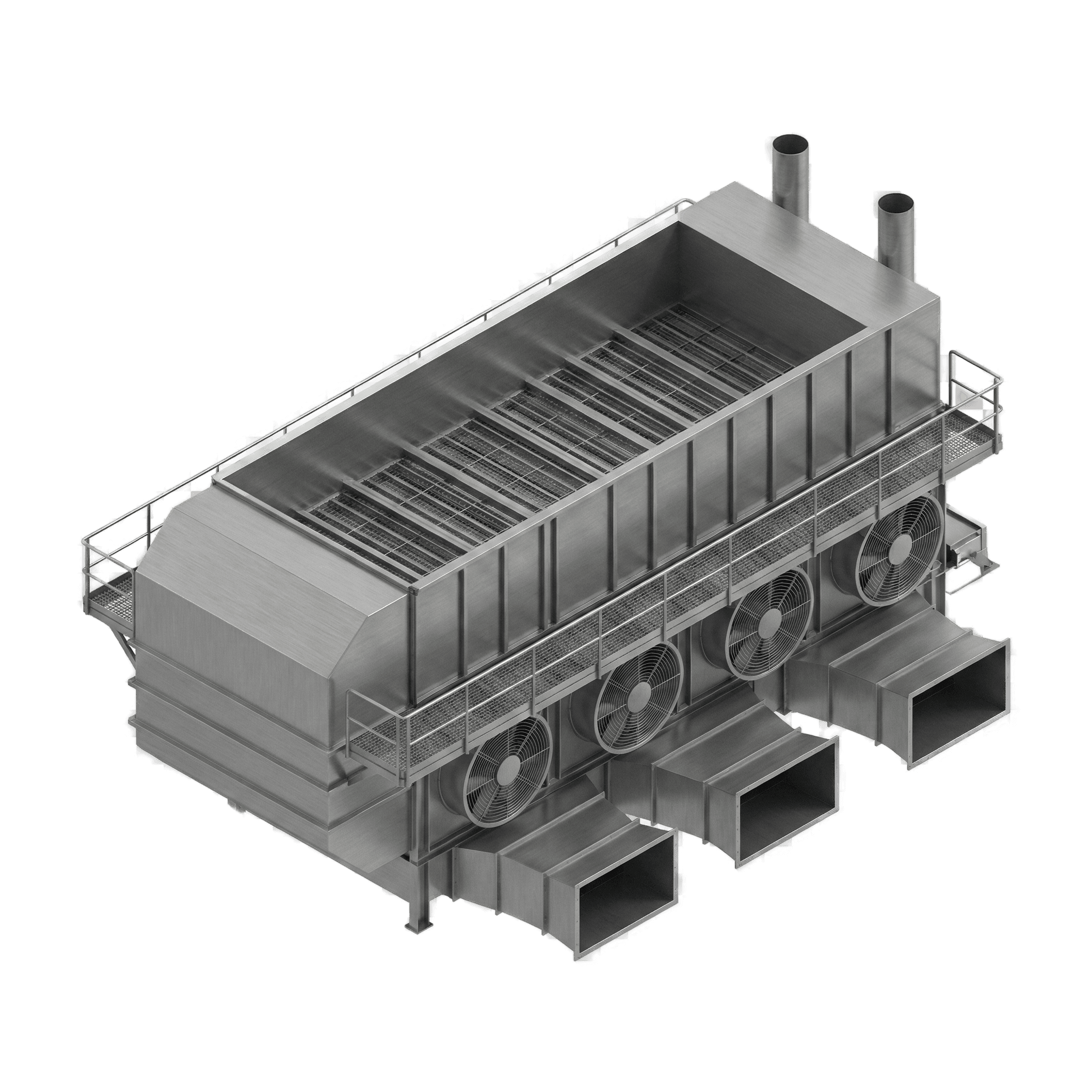
Kiln Outlet Chute Systems
Angebot anfordernÜbersicht
The kiln outlet is one of the most demanding mechanical environments in a cement plant.
At this transition zone, red-hot clinker exits the rotary kiln and enters the cooler or downstream handling system.
The interface must perform reliably under: extreme operating temperatures, severe thermal shock, continuous high-impact clinker flow, abrasive particle movement, and dust-laden gas exposure.
Any instability at this point directly affects: hood draft control, clinker trajectory, downstream equipment loading, emissions containment, and mechanical lifespan.
Oswal Engineers designs Kiln Outlet Chute Systems engineered for structural durability and controlled clinker discharge under continuous high thermal load.
Engineering Challenge
Clinker discharge zones experience:
Uncontrolled discharge geometry leads to:
Precision engineering at the outlet ensures process stability and mechanical resilience.
- Rapid temperature fluctuation
- Intense abrasive wear
- High dynamic impact forces
- Differential expansion between rotating and stationary components
- Material build-up
- Hood draft instability
- Structural cracking
- Premature liner failure
- Increased maintenance downtime
Structural Design Philosophy
Oswal outlet chutes are engineered with:
Design calculations account for:
The objective is long-term dimensional stability under harsh operating conditions.
- Reinforced plate construction
- Structural load-bearing frameworks
- Stress-distribution optimized geometry
- Controlled thermal expansion accommodation
- Impact loading from falling clinker
- Continuous abrasive erosion
- Cyclic thermal stress
- Gas flow interaction
High Abrasion Resistance
Continuous clinker flow causes severe wear. Oswal systems incorporate:
Wear components are designed for predictable service intervals and efficient replacement.
- High-temperature resistant liners
- Replaceable wear plates
- Abrasion-resistant internal surfaces
- Optimized liner fixation systems
Thermal Durability
The outlet chute must withstand:
Material selection and fabrication processes ensure thermal shock tolerance, resistance to deformation, and long-term structural stability.
Thermal durability protects both the chute and connected downstream systems.
- Sustained high temperatures
- Sudden thermal shock
- Radiant heat exposure
- Expansion-contraction cycles
Controlled Discharge Trajectory
Clinker trajectory directly influences:
Oswal outlet chute geometry is optimized to ensure:
Reduced dead zones prevent build-up formation and blockage.
- Cooler feed uniformity
- Hood pressure stability
- Downstream conveyor loading
- Stable clinker discharge angle
- Even material distribution
- Reduced turbulence
- Prevention of material recirculation
Hood Draft & Gas Flow Stability
Stable discharge performance contributes to:
Precision outlet design protects combustion stability and emission performance.
- Controlled hood draft conditions
- Reduced air leakage
- Improved gas flow management
- Lower dust escape
Integration with Sealing & Expansion Systems
Kiln outlet chutes operate in coordination with:
Integrated engineering ensures thermal and mechanical continuity across the transition zone.
- Outlet sealing systems
- High-temperature radial seals
- Axial compensation seals
- Hood interface assemblies
- Expansion joint systems
Operational Advantages
Oswal Kiln Outlet Chute Systems provide:
Mechanical precision supports reliable clinker discharge and downstream efficiency.
- High abrasion resistance
- Thermal durability
- Structural reinforcement
- Stable clinker trajectory
- Reduced build-up formation
- Lower maintenance frequency
- Extended service life
Lifecycle Reliability
Engineered for long-term operation, outlet chutes offer:
Durability is engineered for continuous clinker production environments.
- Modular wear component replacement
- Retrofit compatibility
- Reduced structural fatigue
- Predictable maintenance planning

Bereit, Ihre Anforderungen zu besprechen?
Kontaktieren Sie unser Engineering-Team für anwendungsspezifische technische Unterstützung.