Thrust Rollers & Load Distribution Systems
Rotary kilns operate as thermally expanding, dynamically loaded rotating structures. Axial movement is inherent in kiln operation — but uncontrolled axial drift results in progressive mechanical damage.
Parler aux Ingénieurs · +91 9216071677- Controlled axial movement
- Balanced thrust absorption
- Stable mechanical positioning
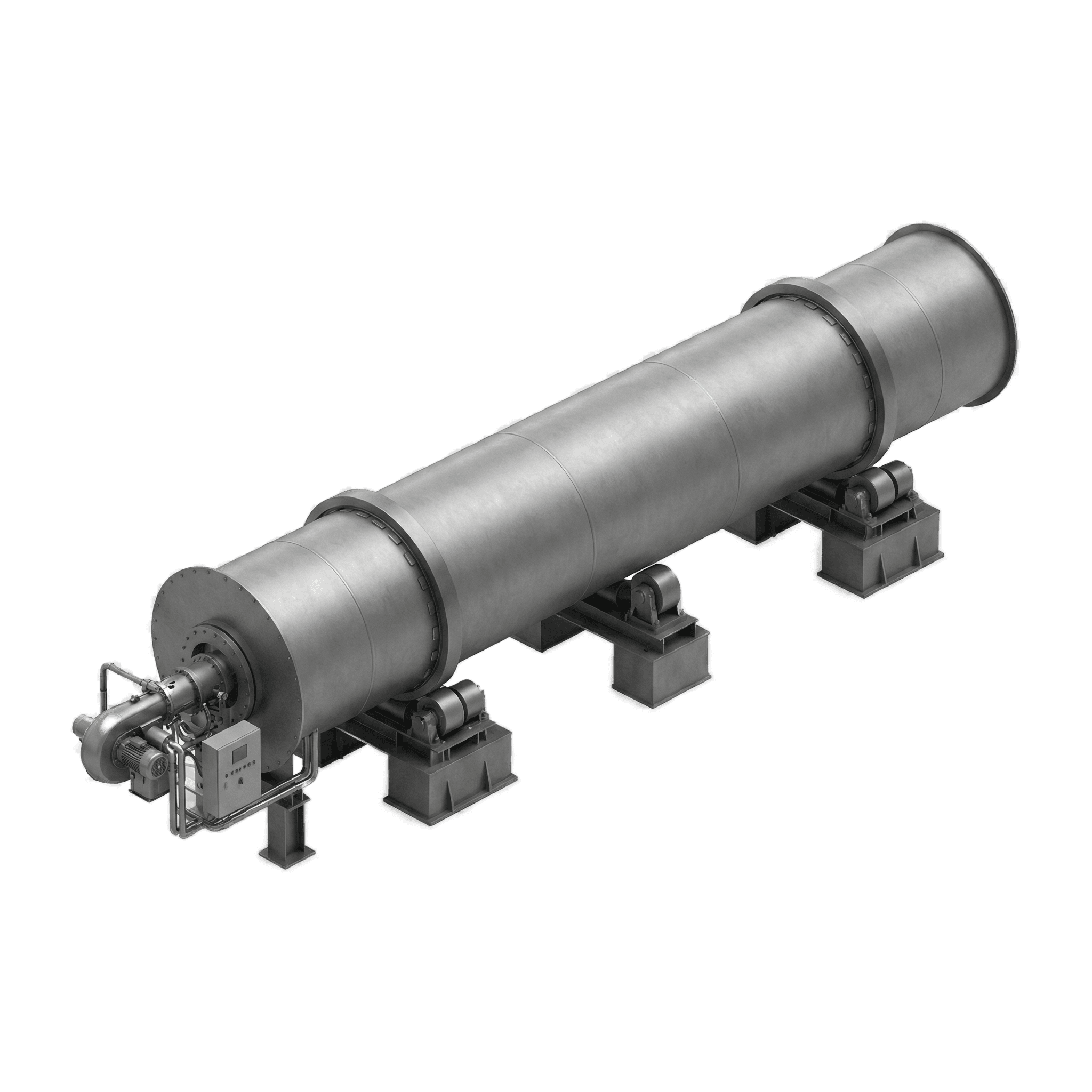
Thrust Rollers & Load Distribution Systems
Demander un devisAperçu
Rotary kilns operate as thermally expanding, dynamically loaded rotating structures. Axial movement is inherent in kiln operation — but uncontrolled axial drift results in progressive mechanical damage.
Thrust rollers and load distribution systems are critical to maintaining positional stability of the kiln under continuous operation.
Oswal Engineers designs thrust control systems engineered to regulate axial displacement and preserve mechanical equilibrium across all support stations.
The Engineering Challenge
Axial kiln drift occurs due to:
Uncontrolled axial movement leads to:
Effective axial control protects the entire kiln mechanical system.
- Thermal expansion gradients
- Roller slope variations
- Load imbalance between support stations
- Surface wear progression
- Operational temperature fluctuations
- Tyre edge wear
- Roller misalignment
- Increased contact stress concentration
- Seal interface damage
- Structural instability
- Premature component failure
Functional Role of Thrust Rollers
Thrust rollers serve as axial control elements within the support station assembly. Their primary functions are to:
Axial control must be precise — excessive constraint introduces stress, while insufficient control allows damaging drift.
- Prevent uncontrolled axial drift
- Stabilize kiln movement within defined limits
- Maintain correct positional alignment
- Protect tyre and roller surfaces from edge loading
Engineering Design Principles
Oswal thrust roller systems are engineered based on axial load analysis and movement modeling. Design objectives include:
Roller geometry and mounting position are optimized to absorb thrust without inducing secondary mechanical stress.
- Controlled axial positioning
- Smooth thrust absorption
- Balanced force distribution
- Minimal localized surface stress
Axial Movement Stabilization
Kilns naturally expand longitudinally during operation. Oswal systems are calibrated to:
Axial stability directly improves kiln mechanical longevity.
- Allow controlled axial movement within design tolerance
- Prevent excessive forward or backward drift
- Maintain stable seal interface positioning
- Protect refractory lining from displacement stress
Load Distribution Systems
Thrust control must operate in coordination with vertical load transmission. Oswal load distribution systems ensure:
Load distribution engineering prevents overloading of individual rollers and protects foundation integrity.
- Balanced thrust absorption across support stations
- Uniform reaction force distribution
- Reduced asymmetric mechanical stress
- Stabilized rotational geometry
Material & Structural Integrity
Thrust rollers operate under:
Oswal thrust rollers are manufactured from high-strength alloy steels engineered for fatigue resistance, surface durability, structural rigidity, and long-term dimensional stability. Precision machining ensures controlled contact geometry.
- High compressive load
- Repeated cyclic stress
- Elevated environmental temperature
Surface & Contact Optimization
Contact interface between thrust roller and tyre must maintain:
Machining tolerances are maintained to ensure stable contact behavior under operational load.
- Controlled pressure distribution
- Reduced edge stress
- Smooth thrust engagement
- Minimal friction variation
Integration with Kiln Mechanical System
Thrust rollers function in coordination with:
Axial control ensures that sealing systems remain within operational tolerance and mechanical wear is minimized.
- Support rollers
- Kiln tyres
- Shell alignment systems
- Sealing systems
Operational Advantages
Well-engineered thrust and load distribution systems provide:
Axial control enhances the durability of the entire kiln assembly.
- Reduced tyre edge wear
- Improved roller lifespan
- Stable kiln axial positioning
- Lower mechanical vibration
- Extended seal service life
- Improved overall kiln availability
Inspection & Monitoring
Oswal thrust systems allow for:
Preventive inspection avoids progressive mechanical instability.
- Axial displacement monitoring
- Surface wear evaluation
- Load distribution assessment
- Periodic thrust calibration

Prêt à discuter de vos besoins ?
Contactez notre équipe d’ingénierie pour une assistance technique spécifique à l’application.