Kiln Shell Alignment & Interface Systems
The rotary kiln is a dynamically loaded, thermally expanding structure. Even minor geometric deviations can generate cumulative mechanical stress that affects the entire pyroprocessing system.
Mit Ingenieuren sprechen · +91 9216071677- Stable axis geometry
- Balanced load transmission
- Controlled axial behavior
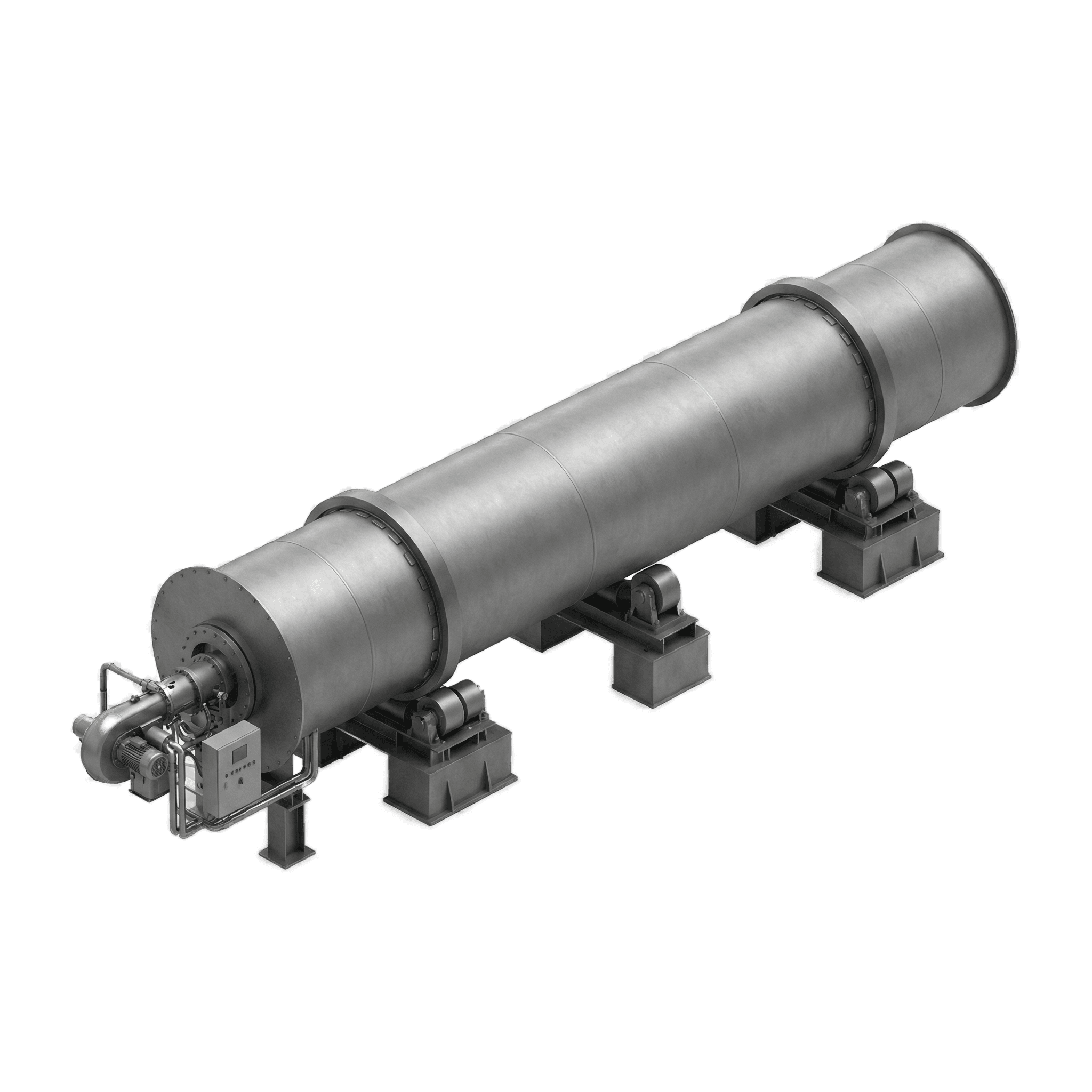
Kiln Shell Alignment & Interface Systems
Angebot anfordernÜbersicht
The rotary kiln is a dynamically loaded, thermally expanding structure. Even minor geometric deviations can generate cumulative mechanical stress that affects the entire pyroprocessing system.
Kiln alignment is not a maintenance correction. It is a structural engineering discipline essential for long-term mechanical equilibrium.
Oswal Engineers provides precision alignment and interface systems designed to maintain kiln axis integrity under continuous high-temperature operation.
Why Alignment Matters
Kiln misalignment introduces progressive mechanical degradation. Typical consequences include:
Misalignment is often gradual and invisible until secondary damage becomes evident. Corrective alignment restores mechanical balance and protects system longevity.
- Uneven tyre and roller wear
- Increased axial thrust load
- Shell stress concentration
- Refractory damage due to shell distortion
- Higher energy consumption from increased friction
- Seal performance deterioration
Engineering Objective
The objective of kiln alignment is to:
Proper alignment ensures that the kiln rotates concentrically along its intended axis without inducing unnecessary bending moments.
- Maintain correct kiln axis geometry
- Optimize load distribution across all support stations
- Minimize surface stress between tyre and roller
- Stabilize rotational behavior
- Reduce mechanical drift under thermal expansion
Alignment Engineering Methodology
Oswal alignment systems follow a structured engineering process.
Geometric Axis Verification
Precise measurement of the kiln’s actual axis relative to its design axis. This includes:
The goal is to detect cumulative deviations before mechanical damage accelerates.
- Laser-based alignment measurement
- Horizontal and vertical deviation analysis
- Support station geometry verification
Roller Slope Calibration
Support roller slope defines axial thrust behavior. Incorrect slope leads to:
Calibration ensures:
- Uncontrolled axial drift
- Thrust roller overload
- Tyre edge wear
- Controlled axial movement
- Balanced thrust distribution
- Reduced stress on mechanical interfaces
Load Measurement Analysis
Each support station must carry its designed load share. Load imbalance causes:
Oswal performs load distribution analysis to ensure:
- Uneven tyre stress
- Shell deformation
- Bearing overload
- Uniform mechanical loading
- Balanced support reaction forces
- Reduced localized fatigue
Axial Movement Monitoring
Kilns naturally expand and contract during operation. Monitoring axial displacement ensures:
Continuous evaluation prevents progressive mechanical misalignment.
- Controlled drift within design limits
- Protection of sealing systems
- Reduced stress on refractory lining
Interface System Optimization
Alignment is not limited to shell geometry. Interface systems must also function within controlled tolerances, including:
All mechanical interfaces are evaluated to ensure integrated performance.
- Tyre-to-shell clearance
- Roller surface condition
- Thrust system positioning
- Seal interface alignment
Thermal Expansion Considerations
A rotary kiln is a thermally dynamic structure. Alignment engineering accounts for:
Alignment corrections are calculated to maintain stability under operating temperature, not only during shutdown.
- Cold alignment conditions
- Hot operational expansion
- Differential expansion between shell and tyre
- Axial growth during steady-state operation
Performance Outcomes
Correct kiln alignment results in:
Mechanical equilibrium improves overall pyroprocessing stability.
- Extended tyre and roller service life
- Reduced shell stress concentration
- Improved refractory durability
- Lower mechanical vibration
- Stable sealing performance
- Reduced energy losses due to friction
- Increased operational reliability
Lifecycle Value
Alignment should be treated as a lifecycle discipline, not a reactive repair activity. Periodic alignment assessment prevents:
Oswal alignment systems are designed to maintain structural geometry throughout the kiln’s operational lifespan.
- Accelerated mechanical wear
- Unplanned shutdowns
- Premature component replacement
Engineering Outcome
Stable axis geometry. Balanced load transmission. Controlled axial behavior. Precision alignment protects every downstream kiln component.

Bereit, Ihre Anforderungen zu besprechen?
Kontaktieren Sie unser Engineering-Team für anwendungsspezifische technische Unterstützung.