Axial Compensation Seals
Rotary kilns are not fixed-length structures. During operation, thermal growth and load redistribution cause measurable axial displacement along the kiln axis.
Mit Ingenieuren sprechen · +91 9216071677- Controlled axial movement
- Balanced thrust absorption
- Stable mechanical positioning
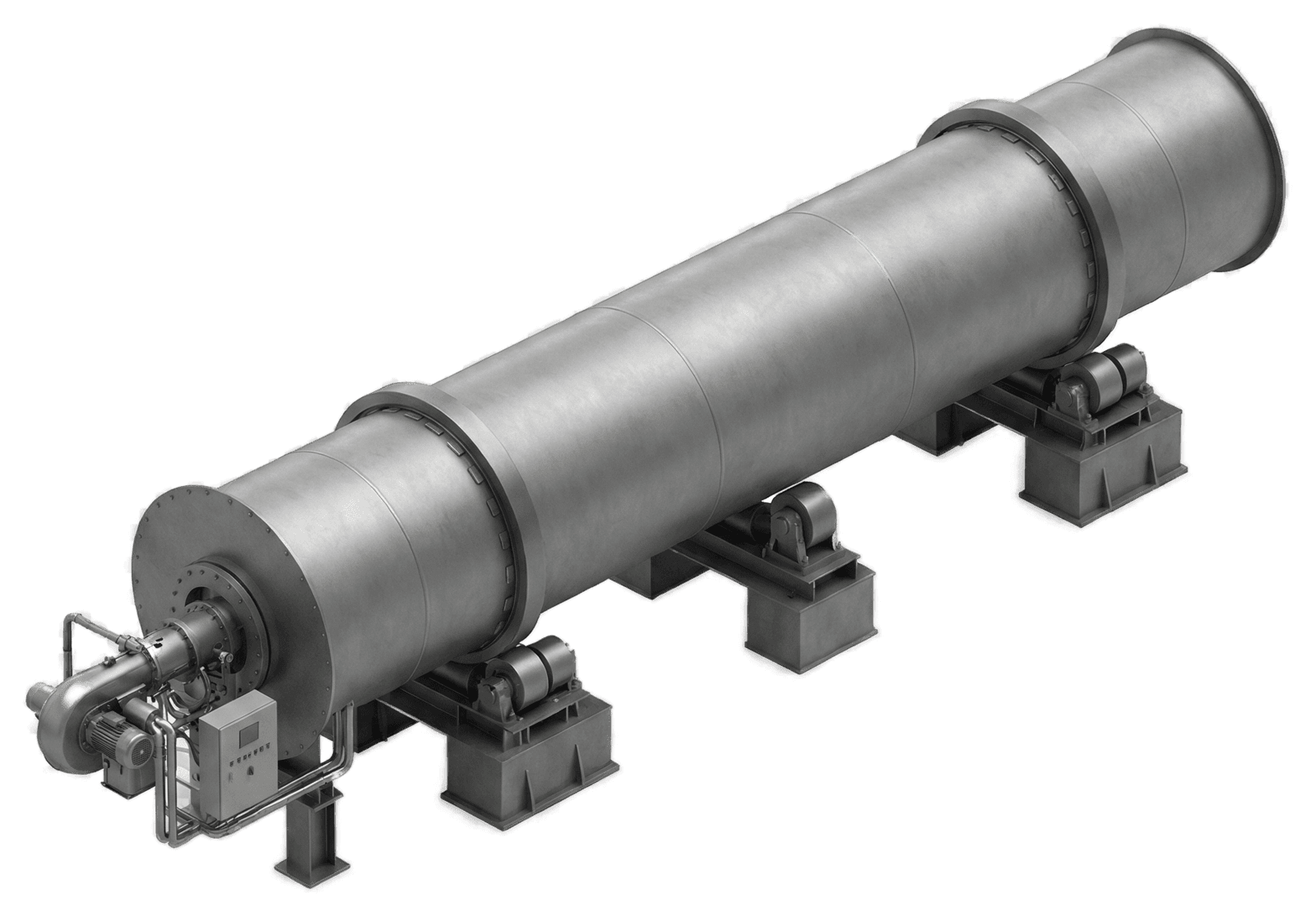
Axial Compensation Seals
Angebot anfordernÜbersicht
Rotary kilns are not fixed-length structures. During operation, thermal growth and load redistribution cause measurable axial displacement along the kiln axis.
If not properly controlled, axial movement leads to seal interface distortion, progressive leakage, edge wear on sealing components, increased mechanical stress, and reduced sealing lifespan.
Axial compensation seals are engineered to maintain sealing integrity under dynamic longitudinal movement. Oswal Engineers designs axial compensation systems that ensure stable sealing performance without over-constraining the kiln.
Engineering Challenge
Axial displacement occurs due to thermal expansion during heat-up, differential expansion between shell and support system, roller slope variations, load imbalance across stations, and operational condition changes.
This movement is inherent to kiln operation and cannot be eliminated. It must be controlled and compensated.
Rigid sealing systems crack or lose contact under axial displacement. Adaptive systems preserve integrity.
Functional Objective
Oswal axial compensation seals are designed to:
The system must allow movement while maintaining pressure stability.
- Accommodate kiln axial displacement within defined tolerances
- Maintain continuous sealing contact during movement
- Protect sealing elements from stress concentration
- Prevent progressive leakage
Compensation Mechanism
Axial compensation seals function by:
This ensures sealing continuity without mechanical binding.
- Allowing controlled longitudinal sliding
- Distributing contact pressure evenly
- Preventing localized over-compression
- Maintaining sealing alignment during displacement
Structural & Material Engineering
Axial seals operate under elevated temperature, continuous dust exposure, cyclic displacement, and dynamic contact forces. Oswal axial compensation systems utilize:
Material selection ensures durability and stable friction characteristics under movement.
- High-temperature resistant sealing elements
- Flexible metallic or composite interfaces
- Reinforced structural supports
- Low-friction sliding surfaces
Protection of Sealing Interface
Uncontrolled axial stress leads to premature wear, seal tearing, interface cracking, and false air leakage progression.
Controlled axial compensation prevents:
The result is longer sealing system lifespan.
- Mechanical overloading
- Seal misalignment
- Abrasive edge wear
Integration with Radial Sealing
Axial compensation seals function in coordination with:
Integrated sealing geometry ensures complete false air control.
- High-temperature radial seals
- Duplex hybrid sealing systems
- Inlet and outlet sealing architectures
Process & Energy Impact
Effective axial sealing contributes to:
Mechanical stability translates into energy performance gains.
- Reduced false air ingress
- Stable draft control
- Improved combustion consistency
- Lower fuel consumption
- Reduced ID fan load
- Improved thermal efficiency
Operational Advantages
Oswal axial compensation seals provide:
Precision compensation ensures continuous sealing performance.
- Controlled longitudinal movement adaptation
- Reduced seal damage under thermal expansion
- Stable sealing pressure during kiln growth
- Extended service life
- Lower maintenance frequency
- Enhanced overall kiln reliability
Lifecycle Performance
Over extended operation cycles, axial compensation systems deliver:
Controlled axial behavior protects the entire kiln sealing architecture.
- Stable leakage control
- Consistent sealing geometry
- Reduced wear progression
- Long-term mechanical equilibrium
Engineering Outcome
Controlled axial movement. Balanced thrust absorption. Stable mechanical positioning. Axial stability is essential for long-term kiln reliability and operational efficiency.

Bereit, Ihre Anforderungen zu besprechen?
Kontaktieren Sie unser Engineering-Team für anwendungsspezifische technische Unterstützung.