Kiln Inlet Sealing Systems
The kiln inlet is one of the most critical sealing interfaces in the pyroprocessing system. It is directly connected to the calcination zone, combustion dynamics, and upstream process stability.
Mit Ingenieuren sprechen · +91 9216071677- Controlled air ingress
- Stable combustion profile
- Optimized thermal efficiency
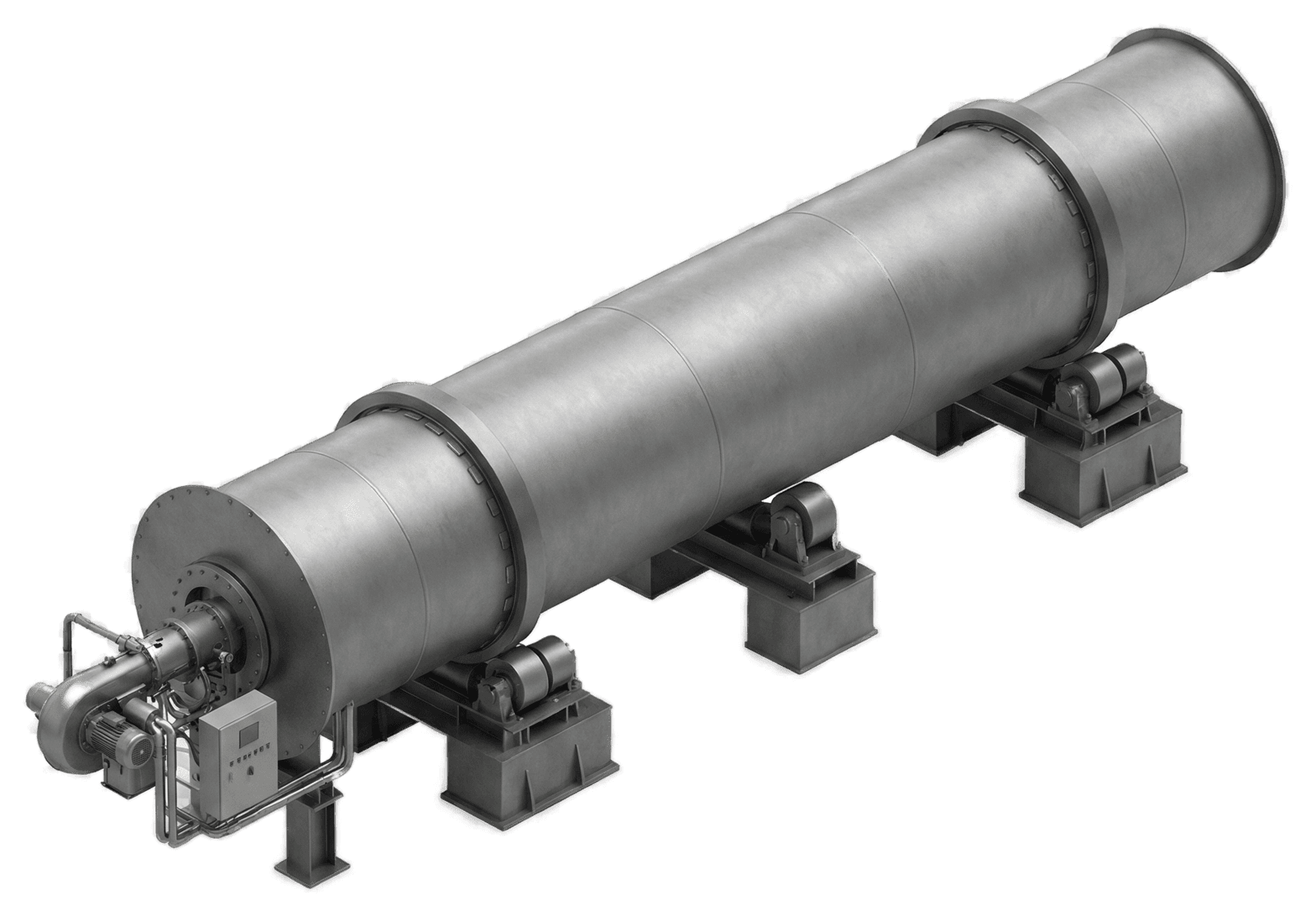
Kiln Inlet Sealing Systems
Angebot anfordernÜbersicht
The kiln inlet is one of the most critical sealing interfaces in the pyroprocessing system. It is directly connected to the calcination zone, combustion dynamics, and upstream process stability.
False air ingress at the inlet disrupts temperature control, affects flame behavior, increases fuel demand, and destabilizes draft balance.
Oswal Engineers designs kiln inlet sealing systems engineered to ensure combustion stability and controlled air management under dynamic kiln movement.
Engineering Challenge
The kiln inlet operates under combined stress conditions:
Even minor air leakage at this zone results in:
Effective inlet sealing is fundamental to fuel optimization.
- High process temperatures
- Continuous axial displacement
- Radial shell expansion
- Shell ovality
- Heavy dust loading
- Draft pressure fluctuations
- Flame distortion
- Inconsistent calcination
- Increased fuel consumption
- ID fan overload
- Reduced thermal efficiency
Functional Objective
Oswal inlet sealing systems are engineered to:
The sealing interface must maintain integrity without restricting kiln movement.
- Minimize air ingress at the kiln feed end
- Stabilize combustion profile
- Improve thermal efficiency
- Protect upstream preheater and calciner stability
Engineering Design Principles
Kiln inlet sealing systems must adapt to dynamic kiln behavior. Oswal systems are engineered for:
The sealing mechanism maintains continuous contact without excessive friction or structural stress.
- Axial movement compensation
- Radial expansion adaptation
- Controlled sealing pressure distribution
- Long-term wear resistance
Movement Compensation
Thermal expansion causes kiln shell growth in both radial and axial directions. Oswal inlet seals are designed to:
The objective is dynamic sealing performance rather than rigid constraint.
- Absorb axial displacement within defined tolerances
- Compensate for radial expansion during operation
- Maintain sealing continuity during shell ovality cycles
Structural & Material Integrity
Inlet sealing systems are exposed to high temperatures, abrasive raw meal dust, mechanical vibration, and draft pressure variation. Oswal systems utilize:
Material selection ensures thermal durability and mechanical resilience.
- High-temperature resistant sealing elements
- Flexible metallic compensation components
- Structurally reinforced support frames
Combustion & Process Impact
Inlet sealing performance directly affects flame stability, heat distribution, calcination efficiency, specific fuel consumption, and clinker formation consistency.
Reduced false air leads to:
Effective sealing at the feed end supports overall pyroprocessing efficiency.
- Lower energy losses
- Improved draft control
- Stabilized preheater operation
- Reduced process fluctuations
Operational Advantages
Oswal kiln inlet sealing systems deliver:
Mechanical precision translates into thermal performance gains.
- Significant reduction in false air ingress
- Improved combustion stability
- Lower fuel consumption
- Reduced ID fan load
- Extended seal service life
- Enhanced kiln reliability
Retrofit Compatibility
Oswal inlet sealing systems can be engineered for existing kiln geometries, various inlet hood configurations, different kiln diameters, and dry and preheater-precalciner systems.
Installation is designed to integrate with existing mechanical interfaces while improving sealing performance.
Lifecycle Performance
Long-term inlet sealing integrity ensures:
Energy savings accumulate over the kiln’s operational life.
- Reduced maintenance intervention
- Lower operational variability
- Improved refractory durability
- Extended production continuity
Engineering Outcome
Controlled air ingress. Stable combustion profile. Optimized thermal efficiency. Kiln Inlet Sealing Systems by Oswal Engineers — engineered for precise draft control and fuel optimization at the feed end.

Bereit, Ihre Anforderungen zu besprechen?
Kontaktieren Sie unser Engineering-Team für anwendungsspezifische technische Unterstützung.