Gas Duct Mechanical Interfaces
Gas duct systems are critical structural pathways within the cement pyroprocessing process.
Mit Ingenieuren sprechen · +91 9216071677- Gas-tight structural integrity
- Thermal adaptability
- Stable draft performance under high temperature
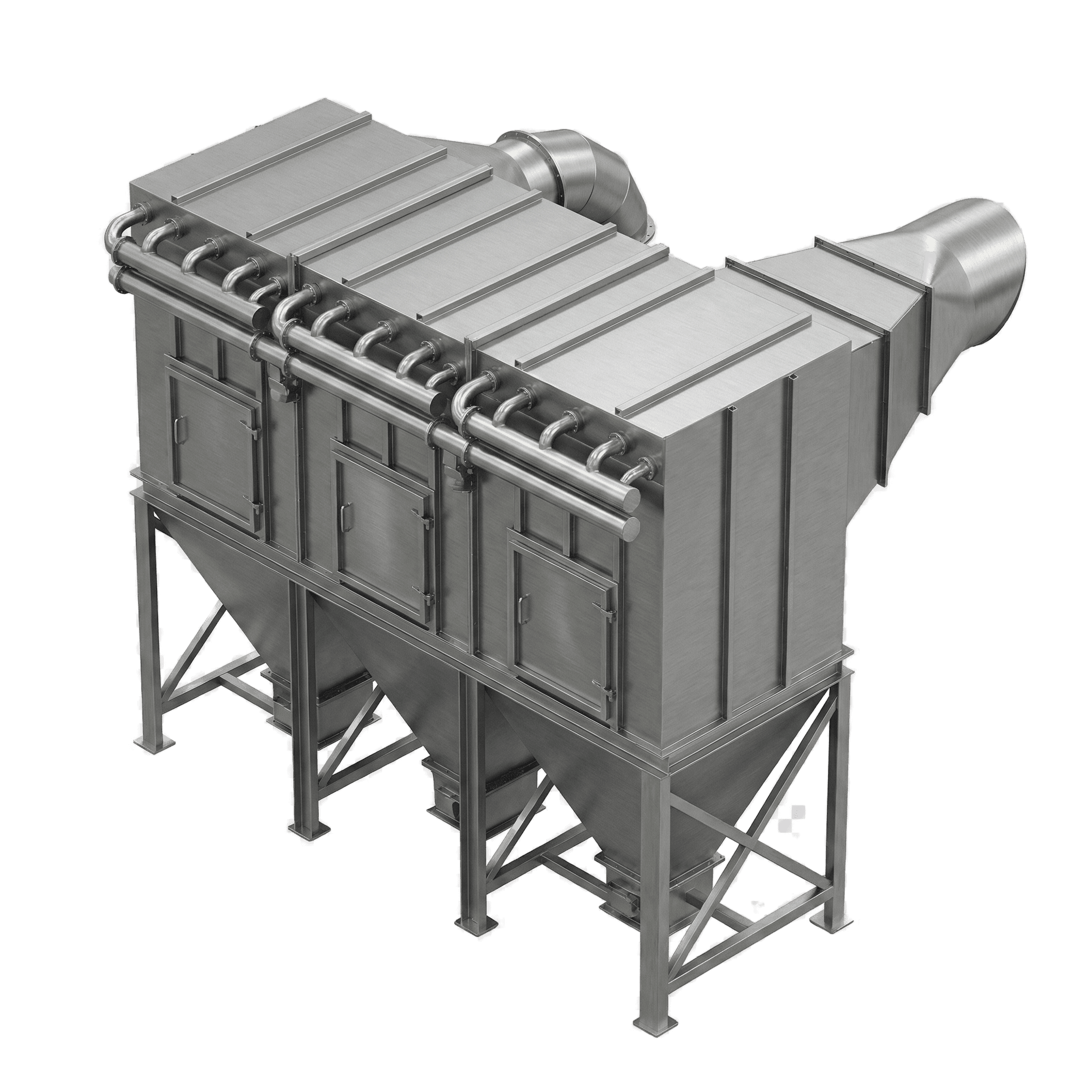
Gas Duct Mechanical Interfaces
Angebot anfordernÜbersicht
Gas duct systems are critical structural pathways within the cement pyroprocessing process.
They transport high-temperature gases between the kiln, preheater, cooler, and filtration systems.
These ducts operate under: elevated temperatures, negative or positive pressure conditions, continuous thermal expansion cycles, dust-laden gas flow, and dynamic pressure variation.
Failure in duct interface engineering results in: air leakage, structural distortion, weld fatigue, draft instability, and energy inefficiency.
Oswal Engineers designs Gas Duct Mechanical Interfaces engineered for secure gas transport, structural durability, and thermal adaptability under continuous industrial operation.
Engineering Challenge
Gas duct systems must manage simultaneous mechanical and thermal demands:
Rigid or improperly designed interfaces accumulate stress, leading to premature cracking and leakage.
Effective duct interface engineering ensures mechanical continuity without structural overconstraint.
- Sustained high-temperature exposure
- Expansion and contraction during heat cycles
- Internal pressure fluctuation
- Dust abrasion and erosion
- Structural load transfer across junctions
Structural Design Philosophy
Oswal duct mechanical interfaces are engineered for:
Fabrication incorporates reinforced structural members to maintain alignment and resist deformation under pressure and thermal load.
- Reinforced structural rigidity under load
- Stress-distribution optimized geometry
- Controlled dimensional tolerances
- Secure flange and junction integration
Secure Gas Transport
Gas transport reliability depends on:
Oswal duct systems ensure:
Sealing integrity is fundamental to efficient pyroprocessing performance.
- Gas-tight interface connections
- Stable pressure containment
- Uniform duct alignment
- Leak-free structural joints
- Continuous gas flow without leakage
- Stable draft behavior
- Controlled velocity distribution
- Protection of adjacent systems
Thermal Expansion Management
High-temperature gas flow induces significant thermal expansion. Engineering considerations include:
Thermal compensation provisions are incorporated to prevent:
Dimensional stability is preserved through controlled flexibility.
- Axial expansion compensation
- Radial displacement accommodation
- Flexible junction integration
- Stress isolation at flange connections
- Structural distortion
- Weld fatigue
- Misalignment of downstream equipment
Pressure & Draft Stability
Gas ducts operate under:
Stable mechanical interfaces prevent:
Properly engineered duct interfaces protect system pressure equilibrium.
- Negative pressure (ID fan zones)
- Positive pressure (FD zones)
- Variable load conditions
- Draft oscillation
- Pressure leakage
- Energy loss through uncontrolled air ingress
Abrasion & Wear Protection
Dust-laden gas flow causes internal erosion at high-velocity zones.
Abrasion management extends operational lifespan and reduces maintenance frequency.
- Wear-resistant internal surfaces
- Reinforced structural junctions
- Replaceable wear components where required
Integration with Sealing & Expansion Systems
Gas duct mechanical interfaces function in coordination with:
Integrated engineering ensures consistent performance across the entire air and gas handling network.
- Expansion joint assemblies
- Kiln sealing systems
- False air control interfaces
- Fan integration assemblies
Operational Advantages
Oswal Gas Duct Mechanical Interfaces deliver:
Mechanical precision supports combustion stability and emissions control.
- Secure high-temperature gas transport
- Reduced leakage
- Stable draft performance
- Improved energy efficiency
- Extended structural lifespan
- Lower maintenance frequency
Lifecycle Reliability
Engineered for long-term operation, Oswal duct interfaces provide:
Durability ensures uninterrupted pyroprocessing operation.
- Fatigue-resistant structural design
- Controlled expansion compensation
- Retrofit compatibility
- Predictable wear performance

Bereit, Ihre Anforderungen zu besprechen?
Kontaktieren Sie unser Engineering-Team für anwendungsspezifische technische Unterstützung.