Kiln Process Fans (ID / FD / PH Interfaces)
Process fans are critical control elements within the cement pyroprocessing system.
Mit Ingenieuren sprechen · +91 9216071677- Controlled draft equilibrium
- Stable combustion air supply
- Gas-tight mechanical integration
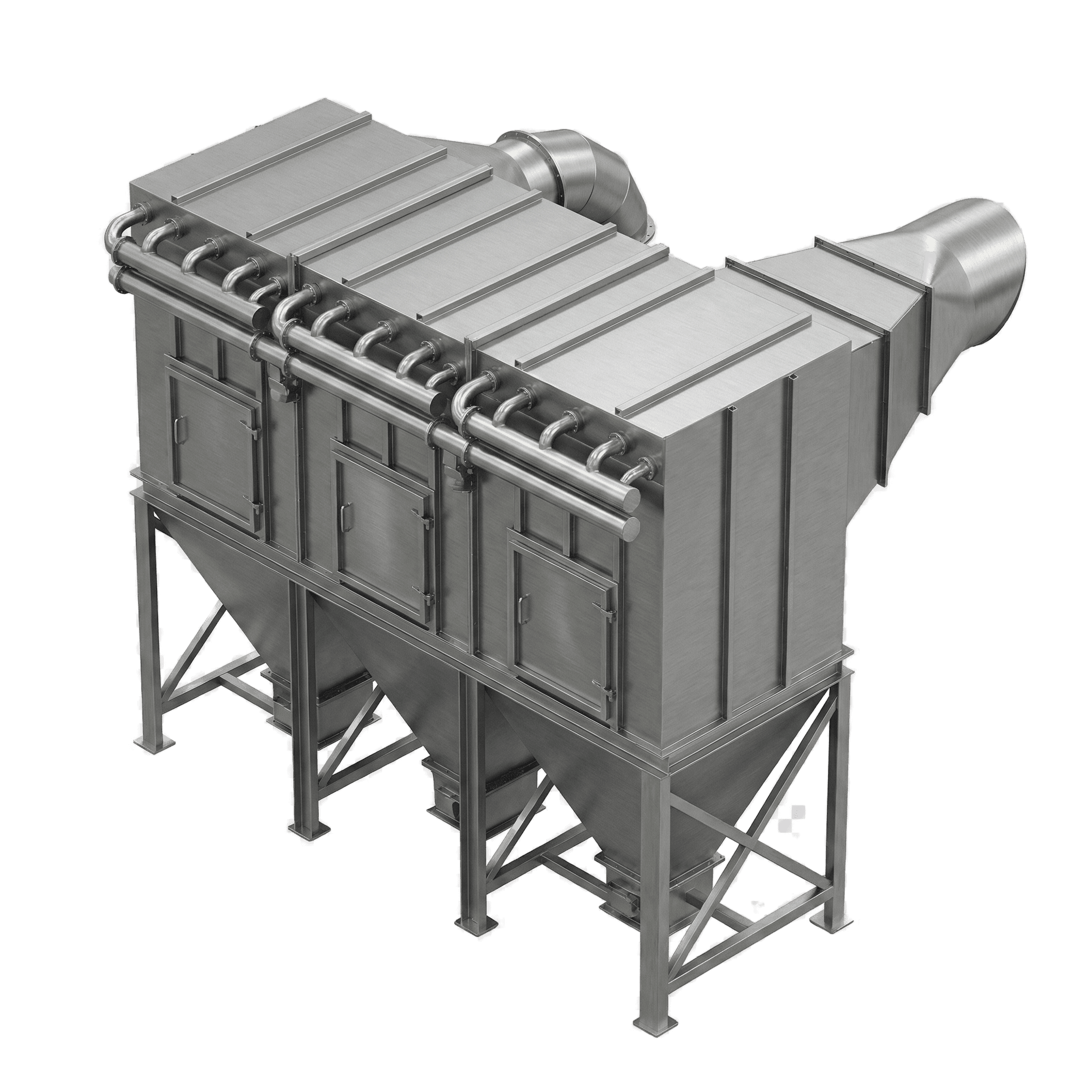
Kiln Process Fans (ID / FD / PH Interfaces)
Angebot anfordernÜbersicht
Process fans are critical control elements within the cement pyroprocessing system.
They regulate combustion air supply and exhaust gas movement, directly influencing thermal efficiency, draft stability, and emissions performance.
In high-capacity cement kilns, draft control is not merely an operational parameter — it is a mechanical and aerodynamic engineering discipline.
Oswal Engineers designs Kiln Process Fan Systems and mechanical interfaces engineered for stable airflow management under high-temperature and continuous-duty conditions.
Functional Role in the Pyroprocessing System
Kiln process fans manage:
Each airflow component must be coordinated to maintain thermal equilibrium.
Unstable fan integration results in:
Precision fan engineering ensures controlled gas movement across the kiln system.
- Induced draft (ID) control
- Forced draft (FD) combustion air supply
- Preheater (PH) gas evacuation interfaces
- System pressure balance
- Draft fluctuation
- Combustion instability
- Increased fuel consumption
- Emissions variability
- Energy inefficiency
Induced Draft (ID) Control
The ID fan governs exhaust gas extraction and maintains negative pressure within the kiln and preheater system.
Consistent induced draft prevents combustion disturbances and protects refractory integrity.
- Stable kiln draft
- Controlled gas velocity
- Reduced false air sensitivity
- Balanced system pressure
Forced Draft (FD) Combustion Air Supply
FD systems regulate the supply of combustion air to burners and process zones.
Accurate air control enhances thermal efficiency and clinker quality consistency.
- Uniform air distribution
- Stable fuel-air mixing
- Controlled flame profile
- Reduced combustion variability
Preheater (PH) Gas Evacuation Interfaces
Preheater systems require precise gas evacuation control to maintain cyclone efficiency and heat recovery performance.
Stable preheater draft enhances heat exchange efficiency.
- Secure gas transport
- Stable pressure gradients
- Thermal expansion accommodation
- Structural integrity under temperature variation
System Pressure Balance
Kiln process fans operate as part of a dynamic pressure network.
Mechanical precision reduces pressure losses and energy waste.
- Balanced airflow across process zones
- Reduced draft oscillation
- Improved thermal stability
- Lower electrical consumption
Mechanical Integration & Interface Engineering
Fan systems must be mechanically integrated with:
Correct mechanical alignment ensures:
Poor alignment leads to leakage, vibration, and premature component wear.
- Duct interface assemblies
- Sealing systems
- Expansion joint assemblies
- Structural support frameworks
- Reduced vibration transmission
- Gas-tight connections
- Thermal stress compensation
- Long-term structural reliability
Sealing Integrity at Fan Interfaces
Fan interface zones are common sources of air leakage.
Effective sealing improves draft control and reduces false air ingress.
- Gas-tight flange connections
- Reinforced sealing assemblies
- Controlled compression interfaces
- Expansion accommodation provisions
Structural & Thermal Considerations
Process fan systems operate under:
Structural engineering incorporates:
Durability is designed for continuous industrial operation.
- High-temperature exhaust gas exposure
- Continuous vibration
- Thermal expansion cycles
- Pressure differentials
- Reinforced fan support structures
- Thermal stress-optimized duct geometry
- Fatigue-resistant mounting assemblies
Operational Advantages
Oswal Kiln Process Fan Systems provide:
Mechanical precision supports process efficiency.
- Stable kiln draft
- Controlled combustion air distribution
- Reduced draft fluctuation
- Optimized fuel-air mixing
- Lower ID fan energy consumption
- Extended equipment lifespan
Lifecycle Reliability
Engineered for high-duty cycles, Oswal fan systems ensure:
Reliability protects plant uptime and energy performance.
- Long-term dimensional stability
- Reduced vibration-induced fatigue
- Predictable maintenance intervals
- Retrofit compatibility

Bereit, Ihre Anforderungen zu besprechen?
Kontaktieren Sie unser Engineering-Team für anwendungsspezifische technische Unterstützung.