Duplex Kiln Sealing System
The Duplex Kiln Sealing System is a proprietary Oswal innovation developed to overcome the limitations of conventional single-principle sealing technologies.
Talk to Engineers · +91 9216071677- Adaptive sealing architecture
- Thermal durability
- Dynamic compensation under real kiln movement
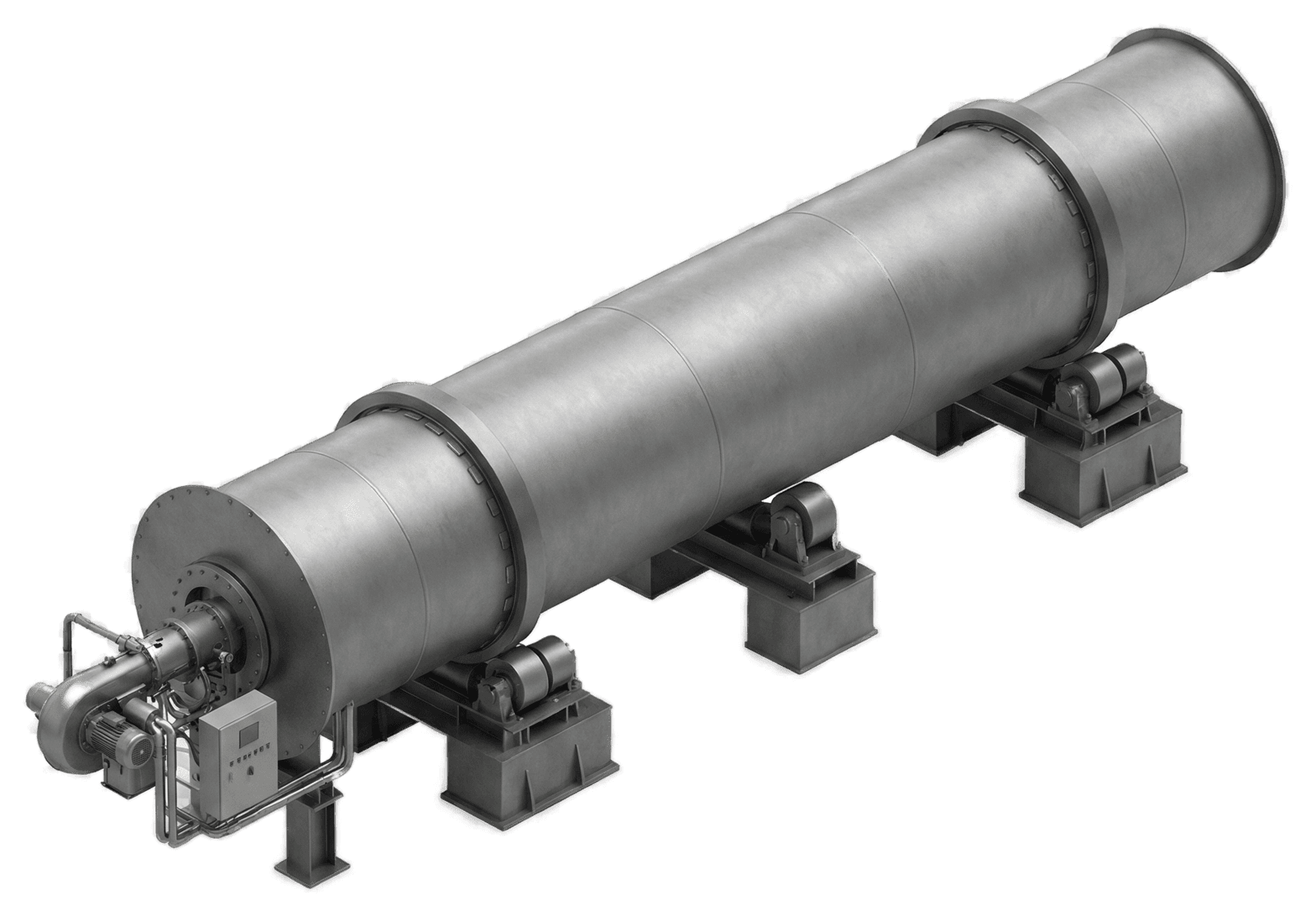
Duplex Kiln Sealing System
Request QuoteOverview
The Duplex Kiln Sealing System is a proprietary Oswal innovation developed to overcome the limitations of conventional single-principle sealing technologies.
Rotary kilns operate under continuous axial displacement, radial expansion, shell ovality, and extreme thermal stress. Static sealing systems fail when exposed to dynamic mechanical conditions.
The Duplex system was engineered not for theoretical alignment — but for real kiln behavior.
Engineering Background
Traditional kiln sealing systems are typically based on either flexible metallic lamella segments or graphite-based continuous contact sealing. Each principle has inherent advantages — and inherent limitations.
Lamella systems provide adaptability but may lack high-temperature durability. Graphite systems provide thermal resistance but may struggle with dynamic compensation under significant mechanical movement.
Oswal’s engineering objective was to integrate both principles into a single adaptive system.
Engineering Concept
The Duplex Kiln Sealing System integrates lamella flexibility for movement adaptation, graphite durability for high-temperature sealing, and radial and axial compensation capability.
This hybrid architecture allows the system to maintain continuous sealing performance under radial shell expansion, axial kiln displacement, thermal growth, ovality fluctuation, and variable operational load conditions.
The system adapts dynamically rather than resisting movement.
Mechanical Design Architecture
The Duplex system consists of:
The lamella layer absorbs movement variations. The graphite layer ensures consistent thermal sealing performance. This dual-layer configuration creates redundancy and reliability.
- Primary lamella interface for adaptive movement compensation
- Secondary graphite sealing interface for continuous high-temperature contact
- Structural housing for stable mounting
- Controlled pressure distribution mechanism
Movement Compensation Capability
Kiln sealing systems must compensate for:
The Duplex system provides radial compensation without sealing loss, axial displacement tolerance, and stable contact pressure under load variation.
Sealing performance remains consistent across dynamic operating conditions.
- Axial drift caused by thermal expansion
- Radial deformation at tyre locations
- Shell ovality during rotation
Functional Advantages
The hybrid configuration delivers:
The system maintains efficiency without excessive friction or over-constraint.
- Continuous sealing contact under expansion
- Controlled sealing pressure distribution
- Reduced wear under abrasive dust conditions
- Stable performance across varying load cycles
- Lower mechanical stress on sealing components
- Extended operational lifespan
False Air Control Performance
Effective sealing directly reduces:
By maintaining consistent sealing under dynamic kiln movement, the Duplex system improves thermal efficiency, draft stability, energy performance, and process control reliability.
False air reduction translates directly into measurable operational savings.
- False air ingress
- Fuel overconsumption
- Combustion instability
- ID fan overload
- Emissions variability
Durability & Materials
Duplex sealing elements are engineered using high-temperature resistant graphite compounds, precision-formed lamella metallic segments, and wear-resistant structural supports.
Material selection ensures:
The system is designed for high dust concentration environments typical of clinker discharge zones.
- Thermal durability
- Mechanical resilience
- Long-term dimensional stability
- Controlled wear progression
Operational Integration
The Duplex system integrates seamlessly with kiln shell geometry, support station configuration, axial thrust systems, and inlet and outlet hood interfaces.
Installation does not require excessive structural modification and can be engineered for retrofit applications.
Performance Positioning
The Duplex Kiln Sealing System has become a reference standard in modern cement plants due to:
It represents a practical engineering solution rather than a theoretical sealing concept.
- Proven reliability under dynamic kiln conditions
- High adaptability across kiln sizes
- Extended service intervals
- Energy efficiency contribution
Lifecycle Value
Over the operational lifecycle, the Duplex system delivers:
The sealing system becomes an energy-control component, not merely a dust barrier.
- Reduced maintenance frequency
- Lower seal replacement cost
- Extended refractory stability
- Improved kiln availability
- Long-term fuel savings
Engineering Outcome
Adaptive sealing architecture. Thermal durability. Dynamic compensation under real kiln movement. The Duplex Kiln Sealing System by Oswal Engineers — engineered for stable combustion, controlled false air, and long-term kiln efficiency.

Ready to Discuss Your Requirements?
Contact our engineering team for application-specific technical support.