Engineering Philosophy
Bulk material handling is controlled movement under structural load, thermal stress, pressure variation, and abrasive exposure—not transport alone.
- Structural durability
- Flow stability
- Pressure integrity
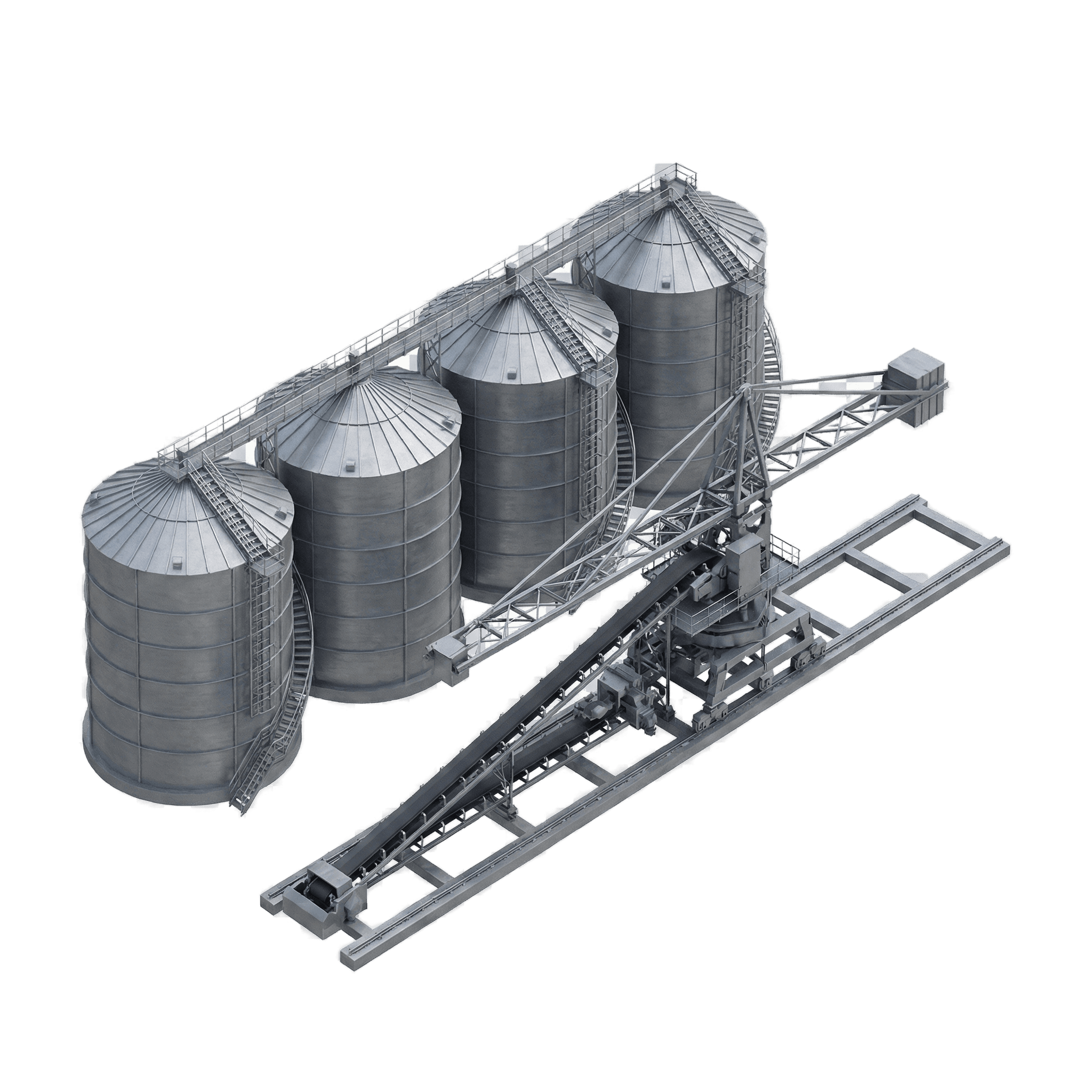
8 precision-engineered systems within this domain.
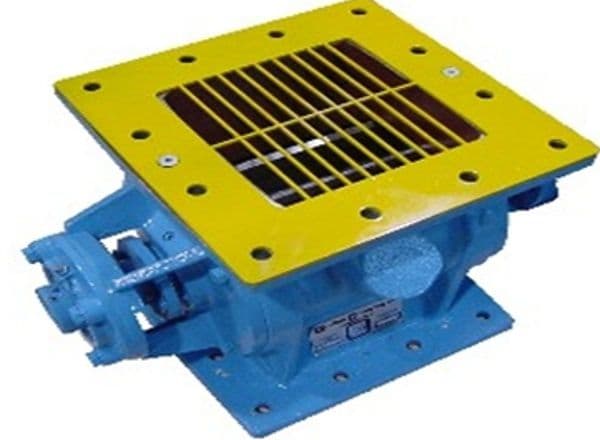
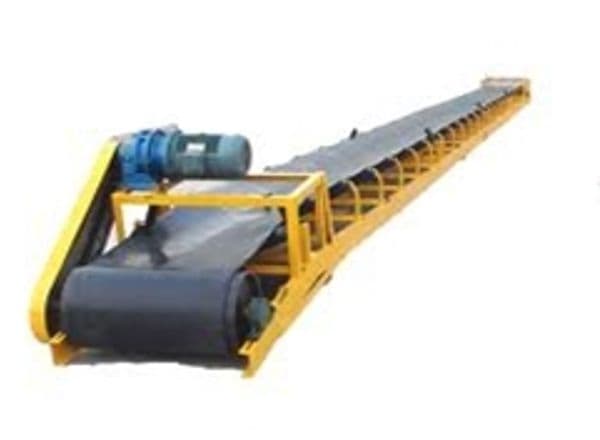
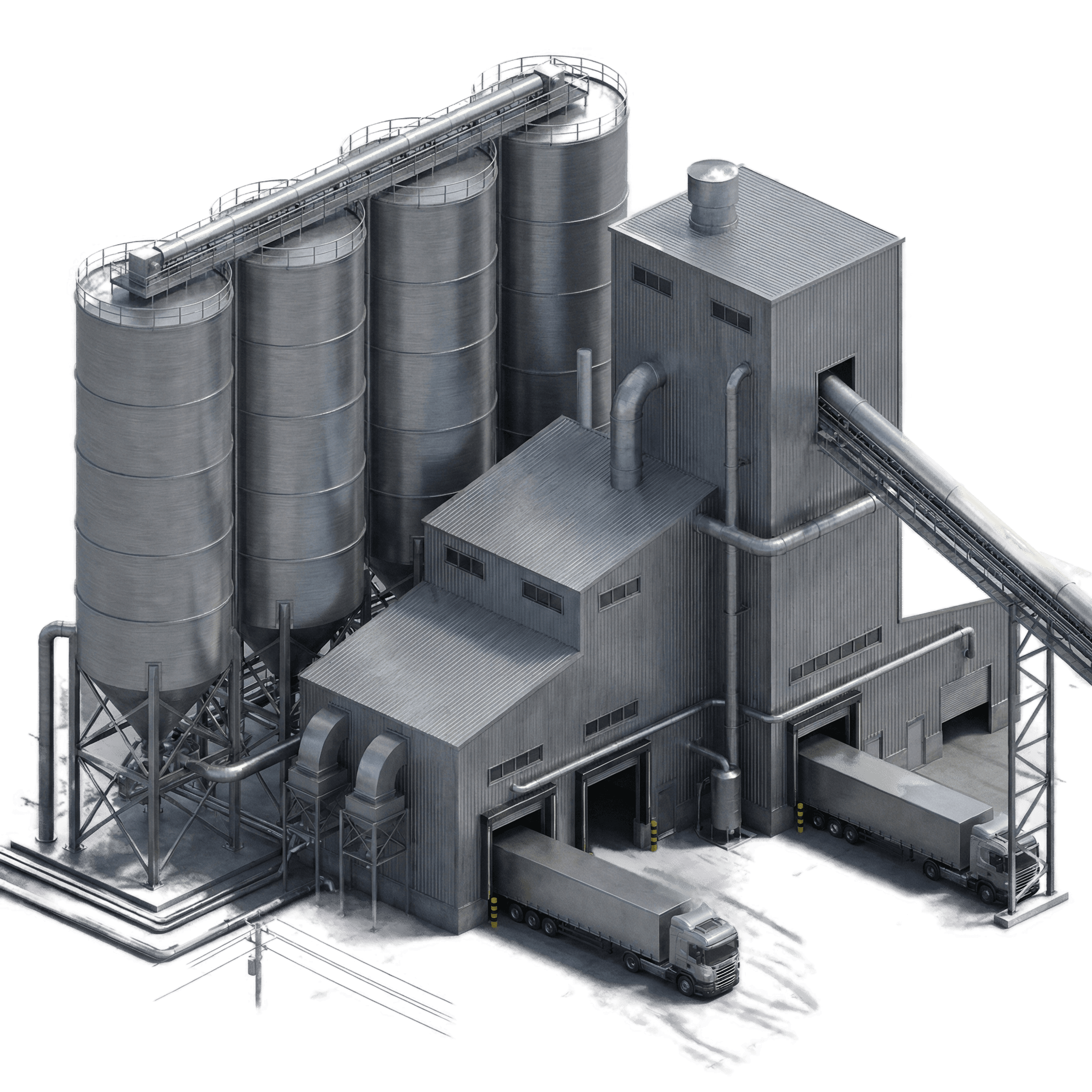
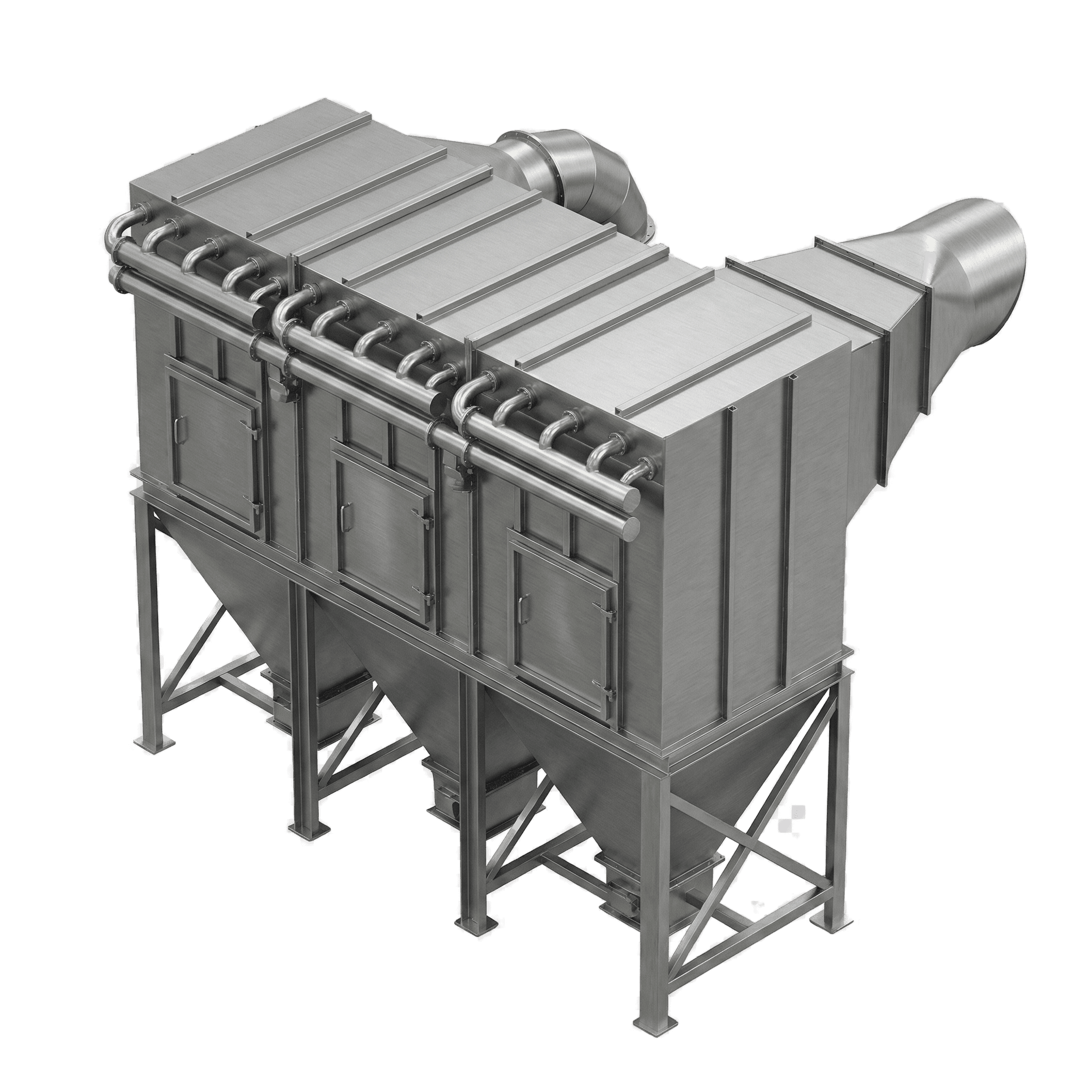
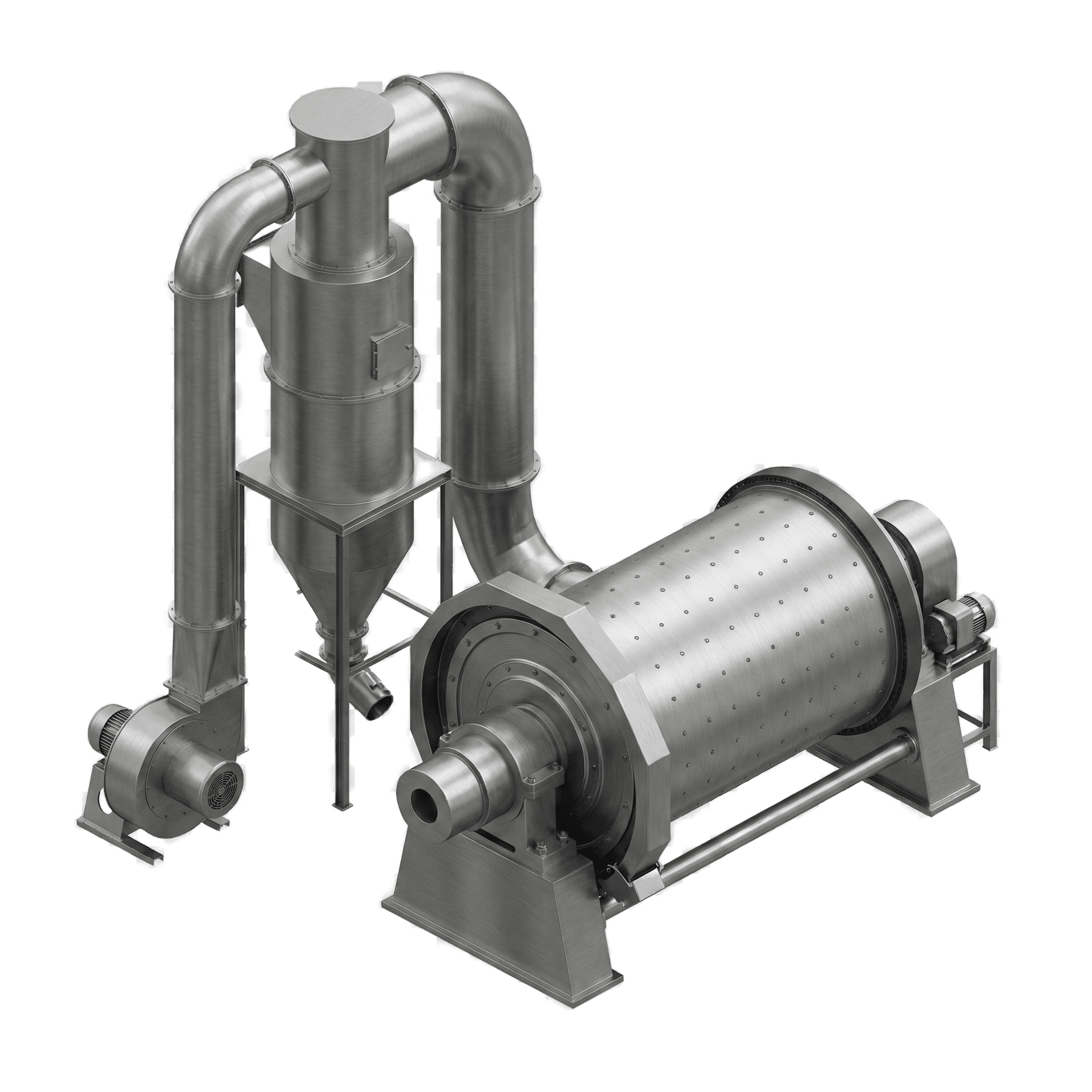
Bulk material handling is controlled movement under structural load, thermal stress, pressure variation, and abrasive exposure—not transport alone.
Oswal systems operate across raw-material handling, grinding, clinker handling, cement grinding, storage, and dispatch.
Mechanical equipment and interfaces are engineered as a unified material-movement ecosystem.
Controlled movement, pressure integrity, and structural reliability.
Every transfer and discharge point is designed around material behaviour, loading conditions, containment, and downstream stability.
Pressure isolation and airtight interfaces directly influence fan energy, conveying stability, and dust control.
Continuous-duty structures are engineered for impact, abrasion, fatigue, temperature, and dynamic loading.
Reliable material movement protects the stability of every downstream production stage.
Integrated flow-control systems reduce energy loss, maintenance demand, and production interruptions.
Oswal Engineers combines flow engineering, structural precision, pressure isolation, and durable mechanical design for energy-efficient cement production.
