High-Temperature Radial Seals
Radial sealing systems operate at one of the most mechanically demanding interfaces of the rotary kiln. They must maintain continuous contact with a rotating, thermally expanding shell under high temperature and abrasive conditions.
Parler aux Ingénieurs · +91 9216071677- Controlled circumferential sealing
- Adaptive expansion compensation
- Stable contact without excessive friction
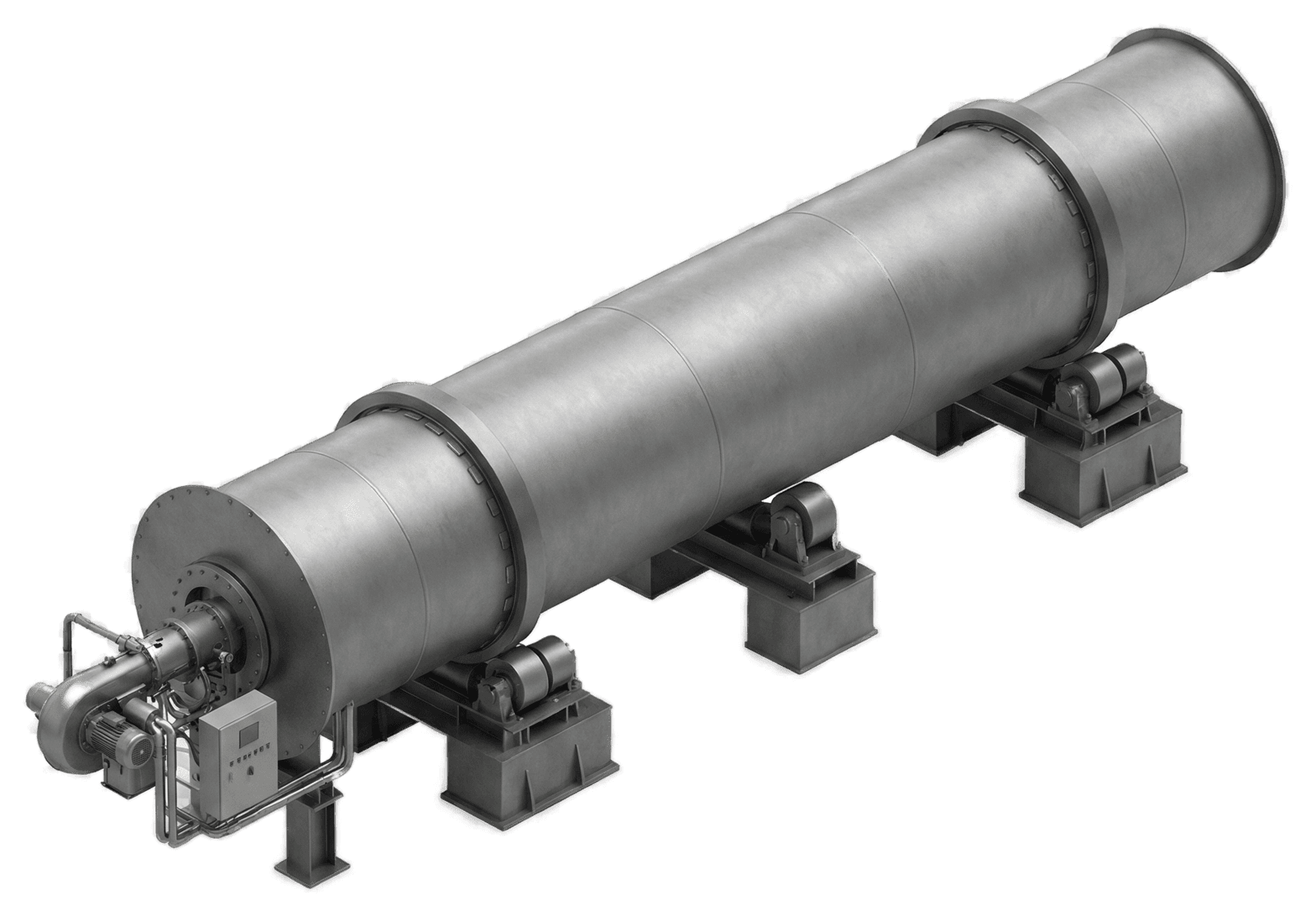
High-Temperature Radial Seals
Demander un devisAperçu
Radial sealing systems operate at one of the most mechanically demanding interfaces of the rotary kiln. They must maintain continuous contact with a rotating, thermally expanding shell under high temperature and abrasive conditions.
High-temperature radial seals are not static components. They function as dynamic compensation systems that preserve sealing integrity while accommodating movement.
Oswal Engineers designs radial sealing systems engineered for precision contact control and long-term durability in high-temperature clinker production environments.
Engineering Challenge
The rotary kiln shell is subject to radial thermal expansion, shell ovality during rotation, continuous circumferential motion, elevated surface temperatures, and dust-laden abrasive conditions.
A radial sealing system must:
Rigid sealing structures fail under expansion. Overly flexible systems lose sealing pressure. Oswal radial seals are engineered to balance both.
- Maintain continuous shell contact
- Adapt to expansion without over-constraining
- Prevent circumferential air leakage
- Resist wear under dynamic contact
Functional Principle
Radial seals operate by applying controlled contact pressure against the rotating kiln shell. Their function is to:
The system must adapt continuously without introducing excessive friction or mechanical drag.
- Maintain sealing contact around the circumference
- Compensate for radial shell growth
- Minimize circumferential leakage
- Prevent false air ingress
Precision Geometry & Contact Control
Stable sealing performance depends on controlled pressure distribution. Oswal radial seals are engineered with:
Precision geometry ensures stable sealing pressure, minimal friction variation, reduced wear rate, and consistent leakage control.
Contact force is calibrated to maintain sealing efficiency without excessive energy loss.
- Optimized contact surface geometry
- Uniform pressure distribution across the sealing arc
- Precision-machined structural supports
- Controlled compression mechanisms
Thermal Expansion Compensation
During operation, kiln shell diameter increases due to thermal expansion. Radial sealing systems must:
Oswal radial seals are engineered to accommodate expansion cycles while maintaining mechanical stability.
- Expand in coordination with the shell
- Maintain sealing contact without binding
- Prevent pressure spikes during heat-up
- Avoid excessive gap formation during cool-down
Material & Durability Engineering
High-temperature radial seals operate under continuous frictional contact, elevated thermal conditions, abrasive dust exposure, and dynamic mechanical movement. Oswal sealing elements are manufactured using:
Material selection ensures long service life, stable friction characteristics, and resistance to thermal degradation.
- High-temperature resistant materials
- Wear-optimized contact surfaces
- Reinforced structural supports
Circumferential Leakage Control
Circumferential leakage contributes significantly to false air ingress. Effective radial sealing:
Controlled sealing performance enhances overall pyroprocessing stability.
- Reduces uncontrolled air entry
- Stabilizes kiln draft
- Improves combustion consistency
- Lowers fuel overconsumption
Operational Advantages
Oswal High-Temperature Radial Seals provide:
Mechanical precision directly supports energy efficiency.
- Continuous contact under dynamic rotation
- Reduced circumferential leakage
- Lower friction-induced wear
- Improved thermal efficiency
- Enhanced draft control stability
- Extended component lifespan
Integration with Kiln Sealing Architecture
Radial seals operate in coordination with:
Integrated sealing design ensures comprehensive false air control.
- Axial compensation seals
- Inlet and outlet sealing systems
- Duplex hybrid sealing architecture
- Kiln hood interfaces
Lifecycle Performance
Over extended operational cycles, Oswal radial seals deliver:
Adaptive sealing behavior protects kiln efficiency throughout its service life.
- Stable sealing pressure
- Reduced maintenance frequency
- Consistent leakage performance
- Long-term durability under cyclic expansion
Engineering Outcome
Controlled circumferential sealing. Adaptive expansion compensation. Stable contact without excessive friction. High-Temperature Radial Seals by Oswal Engineers — engineered for reliable false air control under continuous thermal load.

Prêt à discuter de vos besoins ?
Contactez notre équipe d’ingénierie pour une assistance technique spécifique à l’application.