Kiln Outlet Sealing Systems
The kiln outlet is one of the most demanding mechanical interfaces in the entire cement plant. It operates under extremely high temperatures, continuous clinker discharge, severe abrasion, heavy dust loading, intense thermal shock, and dynamic shell movement.
Parler aux Ingénieurs · +91 9216071677- Controlled hood draft
- Reduced false air ingress
- Stable clinker discharge under extreme temperature
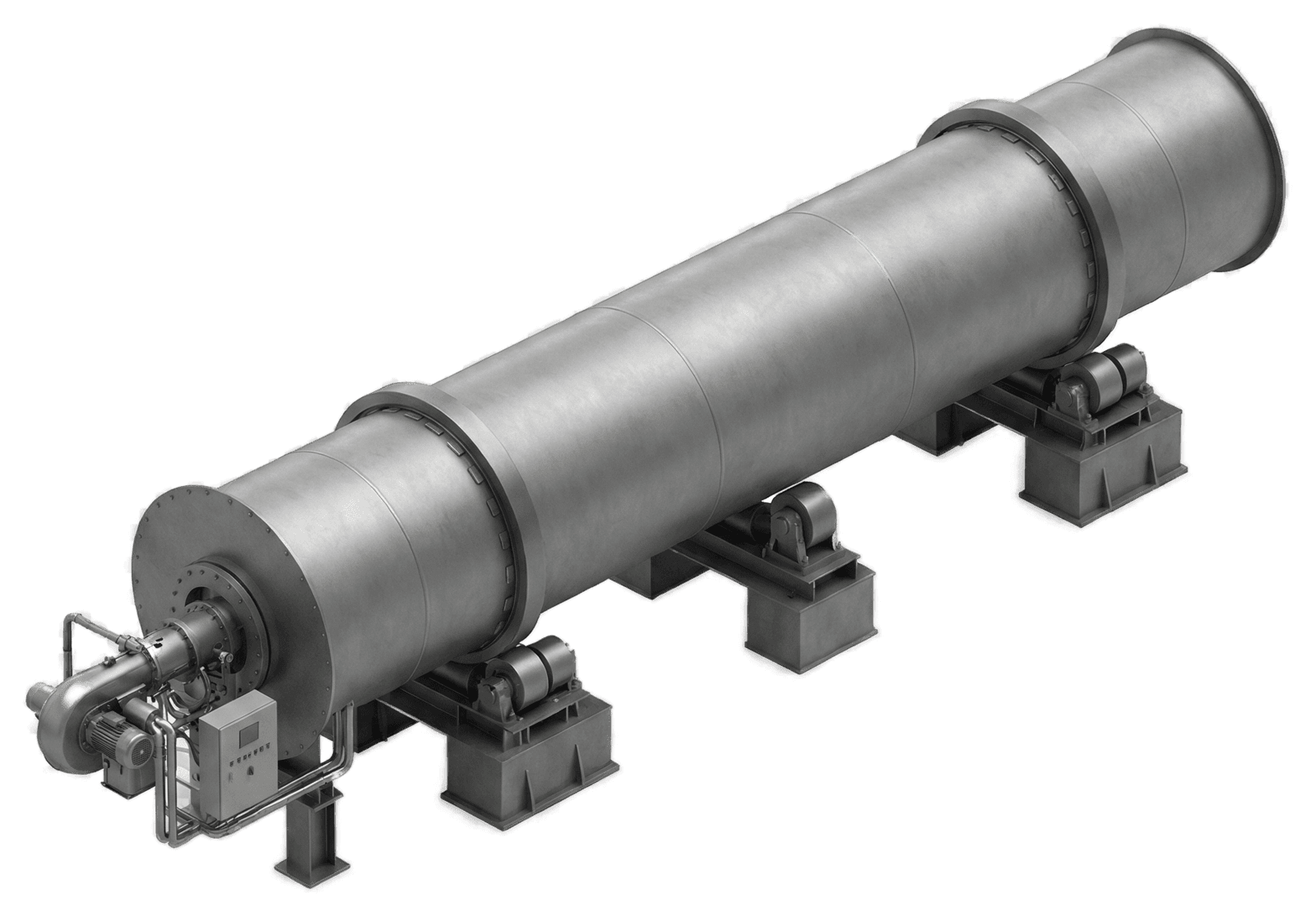
Kiln Outlet Sealing Systems
Demander un devisAperçu
The kiln outlet is one of the most demanding mechanical interfaces in the entire cement plant. It operates under extremely high temperatures, continuous clinker discharge, severe abrasion, heavy dust loading, intense thermal shock, and dynamic shell movement.
Effective sealing at the outlet is essential for maintaining draft stability, combustion balance, and energy efficiency.
Oswal Engineers designs kiln outlet sealing systems engineered for durability and stable performance in extreme operating environments.
Engineering Challenge
The kiln outlet zone is subjected to:
Without proper sealing, the outlet becomes a major source of:
Sealing performance in this zone directly impacts thermal control.
- Direct exposure to hot clinker
- Sudden temperature fluctuations
- Aggressive particulate abrasion
- Radial shell expansion and axial kiln displacement
- Hood draft pressure variations
- False air ingress
- Combustion instability
- Clinker cooling inefficiency
- Excessive ID fan load
- Increased fuel consumption
Functional Objective
Oswal outlet sealing systems are engineered to:
The system must adapt dynamically without mechanical failure.
- Maintain continuous sealing contact under extreme temperature
- Prevent false air infiltration
- Stabilize hood draft conditions
- Protect clinker discharge stability
- Withstand abrasive mechanical conditions
Structural Design & Reinforcement
Outlet sealing systems require reinforced structural design due to mechanical vibration, thermal expansion, impact from clinker flow, and high dust concentration. Oswal systems feature:
The structure is engineered to remain stable under cyclic load conditions.
- Heavy-duty support frames
- Abrasion-resistant wear surfaces
- Reinforced contact interfaces
- Optimized pressure distribution geometry
Abrasion-Resistant Construction
Clinker discharge creates severe abrasive wear. Oswal outlet seals incorporate:
Surface hardness and material composition are optimized for extended service life.
- Wear-resistant materials
- High-temperature resistant sealing elements
- Replaceable wear components
- Controlled friction interfaces
Thermal Shock Tolerance
Rapid temperature variation can cause structural distortion and seal failure. Oswal systems are designed to:
Thermal durability ensures long-term operational reliability.
- Absorb thermal expansion
- Maintain geometric stability
- Prevent cracking under rapid heat variation
- Preserve sealing contact during temperature transitions
Movement Compensation
Like the inlet, the outlet must compensate for radial shell expansion, axial kiln displacement, and ovality variation during rotation.
Sealing elements are engineered for:
Rigid systems fail under these conditions. Adaptive systems maintain performance.
- Continuous adaptive contact
- Dynamic movement tolerance
- Controlled sealing pressure
Draft & Process Impact
Outlet sealing directly influences kiln hood draft stability, secondary air flow balance, clinker cooling efficiency, combustion consistency, and fuel optimization.
Effective outlet sealing reduces:
It plays a central role in maintaining controlled combustion.
- Uncontrolled air ingress
- Temperature fluctuation
- Energy loss
- Process instability
Operational Advantages
Oswal kiln outlet sealing systems provide:
Mechanical durability translates into thermal efficiency.
- Continuous sealing under heavy dust load
- Reduced false air infiltration
- Improved draft control
- Lower fuel consumption
- Reduced maintenance intervention
- Extended sealing component life
- Increased kiln reliability
Retrofit & Integration
Oswal outlet sealing systems can be engineered for existing kiln hood configurations, various kiln diameters, preheater and precalciner systems, and integrated Duplex sealing architecture.
Retrofit designs are optimized for minimal structural modification.
Lifecycle Performance
Long-term outlet sealing stability ensures:
Energy protection at the discharge zone directly improves plant performance.
- Reduced energy losses
- Extended refractory and hood life
- Stable clinker discharge behavior
- Lower operational variability
Engineering Outcome
Controlled hood draft. Reduced false air ingress. Stable clinker discharge under extreme temperature. Kiln Outlet Sealing Systems by Oswal Engineers — engineered for durability in the harshest thermal environments.

Prêt à discuter de vos besoins ?
Contactez notre équipe d’ingénierie pour une assistance technique spécifique à l’application.