Expansion Joint Assemblies
High-temperature zones within the pyroprocessing system are subject to continuous thermal expansion and contraction.
Talk to Engineers · +91 9216071677- Controlled thermal compensation
- Stress-free structural transitions
- Reliable gas-tight performance
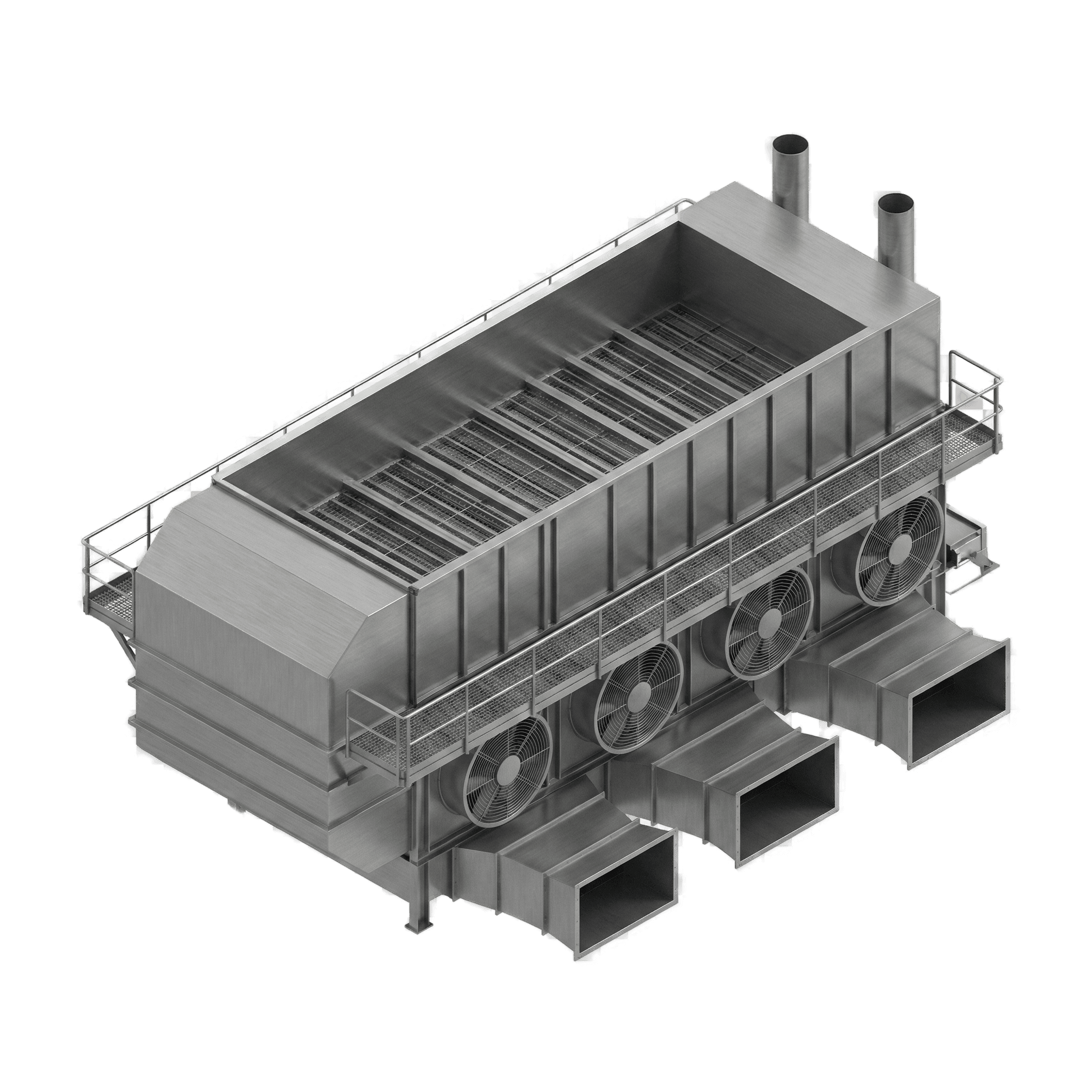
Expansion Joint Assemblies
Request QuoteOverview
High-temperature zones within the pyroprocessing system are subject to continuous thermal expansion and contraction.
Gas ducts, kiln hood interfaces, and transition connections experience dimensional changes during: start-up heating, steady-state operation, load fluctuations, and shutdown cooling cycles.
Thermal growth is unavoidable. Uncontrolled expansion, however, leads to structural damage.
Without properly engineered compensation systems, expansion results in: structural distortion, weld fatigue, cracking at junctions, flange misalignment, air leakage, and mechanical stress transfer to adjacent equipment.
Oswal Engineers designs Expansion Joint Assemblies engineered to absorb thermal movement while preserving structural and sealing integrity.
Engineering Challenge
In high-temperature cement plant environments:
Rigid connections transmit stress directly into structural welds and supporting frames. Effective expansion joints must:
Thermal compensation must be engineered — not improvised.
- Steel structures expand longitudinally and radially
- Rotating components interface with stationary ducts
- Temperature gradients vary across connection points
- Gas pressure fluctuates
- Allow controlled movement
- Maintain gas-tight sealing
- Protect adjacent equipment
- Prevent fatigue accumulation
Application Areas
Oswal expansion joint assemblies are engineered for installation in:
Each location requires tailored movement and sealing design.
- Preheater gas ducts
- Kiln inlet and outlet duct systems
- Kiln hood interfaces
- Cooler transition zones
- Connections between rotating and stationary components
Functional Capabilities
Oswal Expansion Joint Assemblies provide:
Axial Expansion Compensation
Radial Displacement Accommodation
Gas-Tight Sealing Integrity
Reinforced Flexible Construction
These systems maintain mechanical continuity while allowing thermal growth.
- Accommodates longitudinal thermal growth without transferring stress to structural welds.
- Absorbs radial expansion and shell movement while maintaining alignment.
- Prevents leakage under high temperature and draft pressure conditions.
- Combines structural reinforcement with controlled flexibility for long service life.
Structural & Material Engineering
Expansion joint assemblies are manufactured using:
Material selection is based on:
Design ensures stability under cyclic thermal loading.
- High-temperature resistant flexible materials
- Reinforced metallic frameworks
- Multi-layer sealing constructions
- Stress-distribution optimized mounting flanges
- Maximum operating temperature
- Gas composition
- Dust loading
- Pressure differentials
Stress Isolation & Fatigue Protection
Properly engineered expansion joints:
By isolating thermal stress, structural lifespan is significantly extended.
- Prevent stress concentration at weld seams
- Protect structural frames
- Reduce vibration transmission
- Minimize crack propagation
Sealing Performance
In addition to movement compensation, expansion joints must maintain: draft stability, controlled gas flow, minimal false air ingress, and dust containment.
Gas-tight integrity is critical for maintaining pyroprocessing efficiency and emissions compliance.
Integration with False Air Control Systems
Expansion joint assemblies operate as part of an integrated sealing architecture, working alongside:
Integrated engineering ensures system-wide leakage control.
- Kiln inlet and outlet sealing systems
- Radial and axial compensation seals
- Hood sealing assemblies
- Duct interface sealing systems
Operational Advantages
Oswal Expansion Joint Assemblies deliver:
Thermal stress management supports long-term operational reliability.
- Controlled thermal expansion accommodation
- Reduced structural fatigue
- Lower maintenance frequency
- Improved draft stability
- Extended equipment lifespan
- Reduced unplanned downtime
Lifecycle Reliability
Engineered for high-cycle operation, expansion joints provide:
Durability is designed to withstand continuous cement plant operating conditions.
- Long-term dimensional stability
- Predictable wear behavior
- Replaceable flexible elements
- Retrofit compatibility

Ready to Discuss Your Requirements?
Contact our engineering team for application-specific technical support.