Material Entry & Discharge Interfaces
In cement pyroprocessing and material handling systems, transition points define operational stability.
Talk to Engineers · +91 9216071677- Sealed mechanical transitions
- Stable material trajectory
- Structural integrity under load
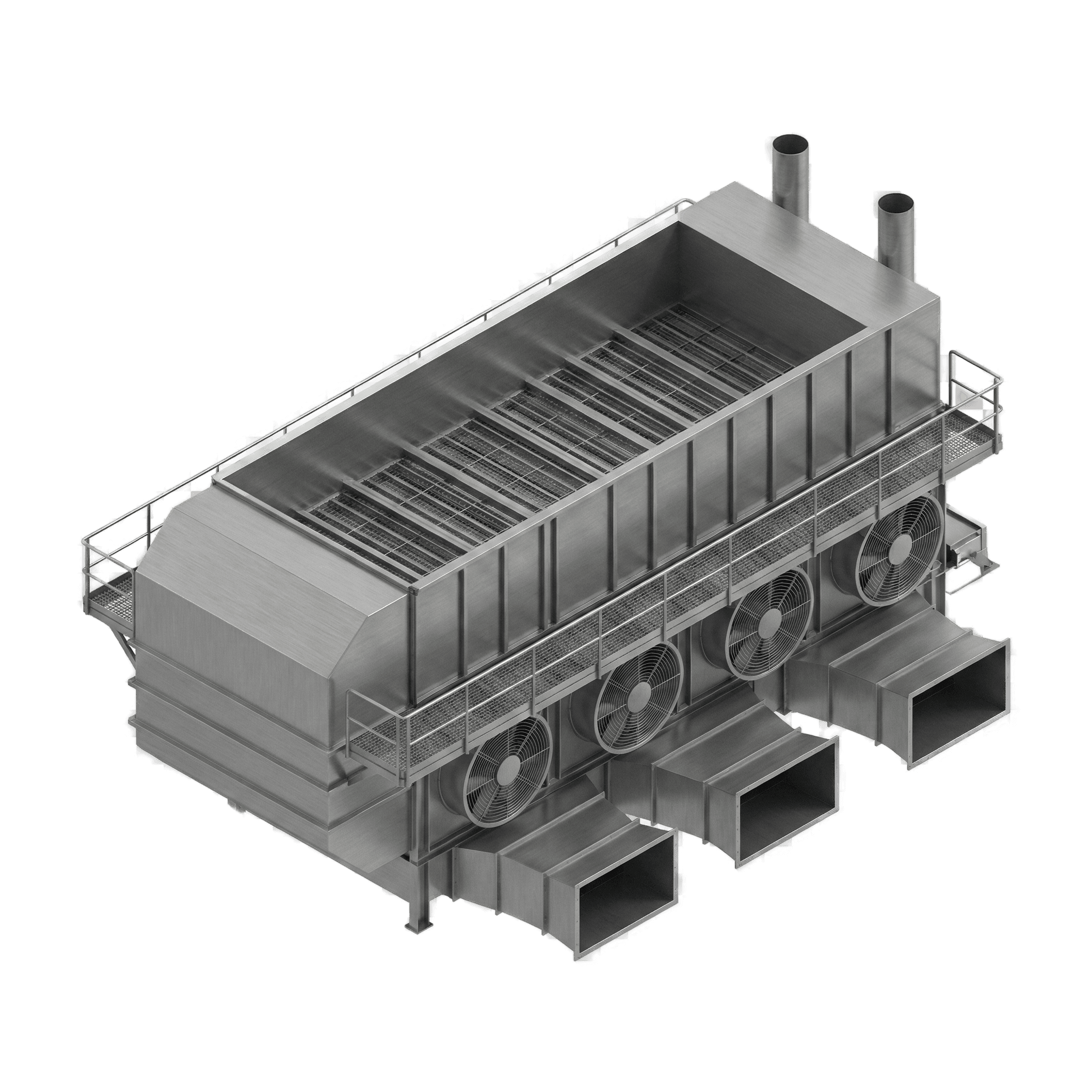
Material Entry & Discharge Interfaces
Request QuoteOverview
In cement pyroprocessing and material handling systems, transition points define operational stability.
Every interface where material enters or exits a process unit must ensure: smooth flow, no leakage, no blockage, and structural stability.
Poorly engineered transition zones lead to: dust escape, material spillage, build-up formation, structural cracking, air ingress, and increased maintenance frequency.
Material entry and discharge interfaces are not simple connection points — they are mechanical control elements within the process architecture.
Oswal Engineers designs custom Material Entry & Discharge Interfaces engineered for precise, sealed, and structurally stable transitions under industrial operating conditions.
Engineering Challenge
Material transition zones operate under:
Interfaces must accommodate:
Without controlled design, these points become leakage and failure zones.
- Continuous abrasive material flow
- High dust concentration
- Dynamic load transfer
- Thermal expansion differentials
- Pressure fluctuations
- Rotating-to-stationary transitions
- Vertical-to-horizontal material flow
- Duct-to-chute connections
- High-temperature process boundaries
Functional Objective
Oswal mechanical interfaces are engineered to provide:
Each interface is designed as a structural and process-stabilizing component.
- Controlled material transition
- Sealed mechanical connections
- Structural rigidity under load
- Adaptability to plant-specific layouts
Flow Control Engineering
Transition geometry directly influences material velocity, trajectory stability, dead zone formation, and wear concentration. Oswal interface systems are designed to:
Precision geometry supports continuous process reliability.
- Maintain uniform material flow
- Prevent flow separation
- Reduce turbulence
- Eliminate stagnation zones
Sealing Integrity
Dust escape and air leakage commonly occur at poorly designed transition interfaces. Oswal interfaces incorporate:
Effective sealing improves draft stability, emissions control, housekeeping standards, and energy efficiency. Sealed interfaces are essential for false air control.
- Gas-tight sealing configurations
- Reinforced flange connections
- Controlled compression sealing systems
- Precision alignment interfaces
Structural Reinforcement
Material interfaces must withstand impact loading, abrasive wear, cyclic stress, and thermal distortion. Oswal systems are manufactured with:
Structural rigidity ensures long-term mechanical reliability.
- Reinforced fabricated steel construction
- Stress-distribution optimized design
- High-strength structural supports
- Controlled dimensional tolerances
Adaptability & Custom Engineering
No two cement plants are identical.
Oswal material interfaces are engineered for:
Custom design ensures precise fitment and seamless process integration.
- Retrofit applications
- New plant installations
- Complex plant layouts
- Integration with existing systems
Integration with Broader Systems
Material entry and discharge interfaces operate in coordination with:
Integrated engineering minimizes mechanical mismatch across connected systems.
- Kiln inlet and outlet chute systems
- Expansion joint assemblies
- Sealing systems
- Pneumatic conveying interfaces
- Bulk material handling systems
Operational Advantages
Oswal Material Entry & Discharge Interfaces provide:
Precision interface design protects plant stability.
- Controlled material flow
- Reduced dust escape
- Prevention of blockage formation
- Improved structural durability
- Lower maintenance frequency
- Enhanced operational cleanliness
Lifecycle Reliability
Engineered for long-term service, these interfaces offer:
Durability is engineered for continuous industrial operation.
- Replaceable wear components
- Retrofit compatibility
- Predictable wear behavior
- Reduced downtime during maintenance

Ready to Discuss Your Requirements?
Contact our engineering team for application-specific technical support.