Kiln Shell Alignment & Interface Systems
The rotary kiln is a dynamically loaded, thermally expanding structure. Even minor geometric deviations can generate cumulative mechanical stress that affects the entire pyroprocessing system.
Talk to Engineers · +91 9216071677- Stable axis geometry
- Balanced load transmission
- Controlled axial behavior
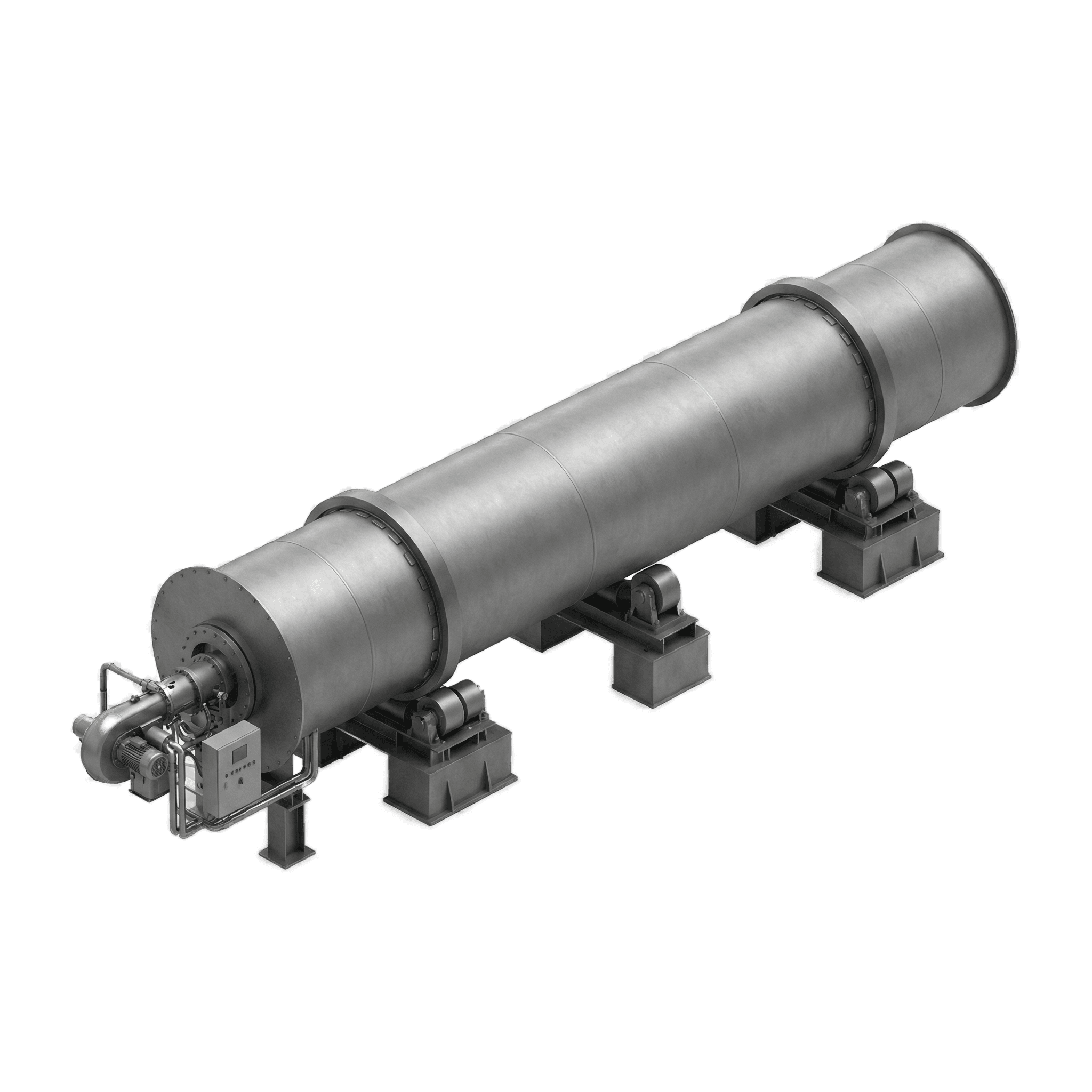
Kiln Shell Alignment & Interface Systems
Request QuoteOverview
The rotary kiln is a dynamically loaded, thermally expanding structure. Even minor geometric deviations can generate cumulative mechanical stress that affects the entire pyroprocessing system.
Kiln alignment is not a maintenance correction. It is a structural engineering discipline essential for long-term mechanical equilibrium.
Oswal Engineers provides precision alignment and interface systems designed to maintain kiln axis integrity under continuous high-temperature operation.
Why Alignment Matters
Kiln misalignment introduces progressive mechanical degradation. Typical consequences include:
Misalignment is often gradual and invisible until secondary damage becomes evident. Corrective alignment restores mechanical balance and protects system longevity.
- Uneven tyre and roller wear
- Increased axial thrust load
- Shell stress concentration
- Refractory damage due to shell distortion
- Higher energy consumption from increased friction
- Seal performance deterioration
Engineering Objective
The objective of kiln alignment is to:
Proper alignment ensures that the kiln rotates concentrically along its intended axis without inducing unnecessary bending moments.
- Maintain correct kiln axis geometry
- Optimize load distribution across all support stations
- Minimize surface stress between tyre and roller
- Stabilize rotational behavior
- Reduce mechanical drift under thermal expansion
Alignment Engineering Methodology
Oswal alignment systems follow a structured engineering process.
Geometric Axis Verification
Precise measurement of the kiln’s actual axis relative to its design axis. This includes:
The goal is to detect cumulative deviations before mechanical damage accelerates.
- Laser-based alignment measurement
- Horizontal and vertical deviation analysis
- Support station geometry verification
Roller Slope Calibration
Support roller slope defines axial thrust behavior. Incorrect slope leads to:
Calibration ensures:
- Uncontrolled axial drift
- Thrust roller overload
- Tyre edge wear
- Controlled axial movement
- Balanced thrust distribution
- Reduced stress on mechanical interfaces
Load Measurement Analysis
Each support station must carry its designed load share. Load imbalance causes:
Oswal performs load distribution analysis to ensure:
- Uneven tyre stress
- Shell deformation
- Bearing overload
- Uniform mechanical loading
- Balanced support reaction forces
- Reduced localized fatigue
Axial Movement Monitoring
Kilns naturally expand and contract during operation. Monitoring axial displacement ensures:
Continuous evaluation prevents progressive mechanical misalignment.
- Controlled drift within design limits
- Protection of sealing systems
- Reduced stress on refractory lining
Interface System Optimization
Alignment is not limited to shell geometry. Interface systems must also function within controlled tolerances, including:
All mechanical interfaces are evaluated to ensure integrated performance.
- Tyre-to-shell clearance
- Roller surface condition
- Thrust system positioning
- Seal interface alignment
Thermal Expansion Considerations
A rotary kiln is a thermally dynamic structure. Alignment engineering accounts for:
Alignment corrections are calculated to maintain stability under operating temperature, not only during shutdown.
- Cold alignment conditions
- Hot operational expansion
- Differential expansion between shell and tyre
- Axial growth during steady-state operation
Performance Outcomes
Correct kiln alignment results in:
Mechanical equilibrium improves overall pyroprocessing stability.
- Extended tyre and roller service life
- Reduced shell stress concentration
- Improved refractory durability
- Lower mechanical vibration
- Stable sealing performance
- Reduced energy losses due to friction
- Increased operational reliability
Lifecycle Value
Alignment should be treated as a lifecycle discipline, not a reactive repair activity. Periodic alignment assessment prevents:
Oswal alignment systems are designed to maintain structural geometry throughout the kiln’s operational lifespan.
- Accelerated mechanical wear
- Unplanned shutdowns
- Premature component replacement
Engineering Outcome
Stable axis geometry. Balanced load transmission. Controlled axial behavior. Precision alignment protects every downstream kiln component.

Ready to Discuss Your Requirements?
Contact our engineering team for application-specific technical support.