Kiln Support Rollers
The support roller assembly is a primary load-bearing element of the rotary kiln system. It carries the total kiln dead weight while enabling continuous, controlled rotation under high-temperature operating conditions.
Talk to Engineers · +91 9216071677- Balanced load transmission
- Stable rotational behavior
- Reduced mechanical stress
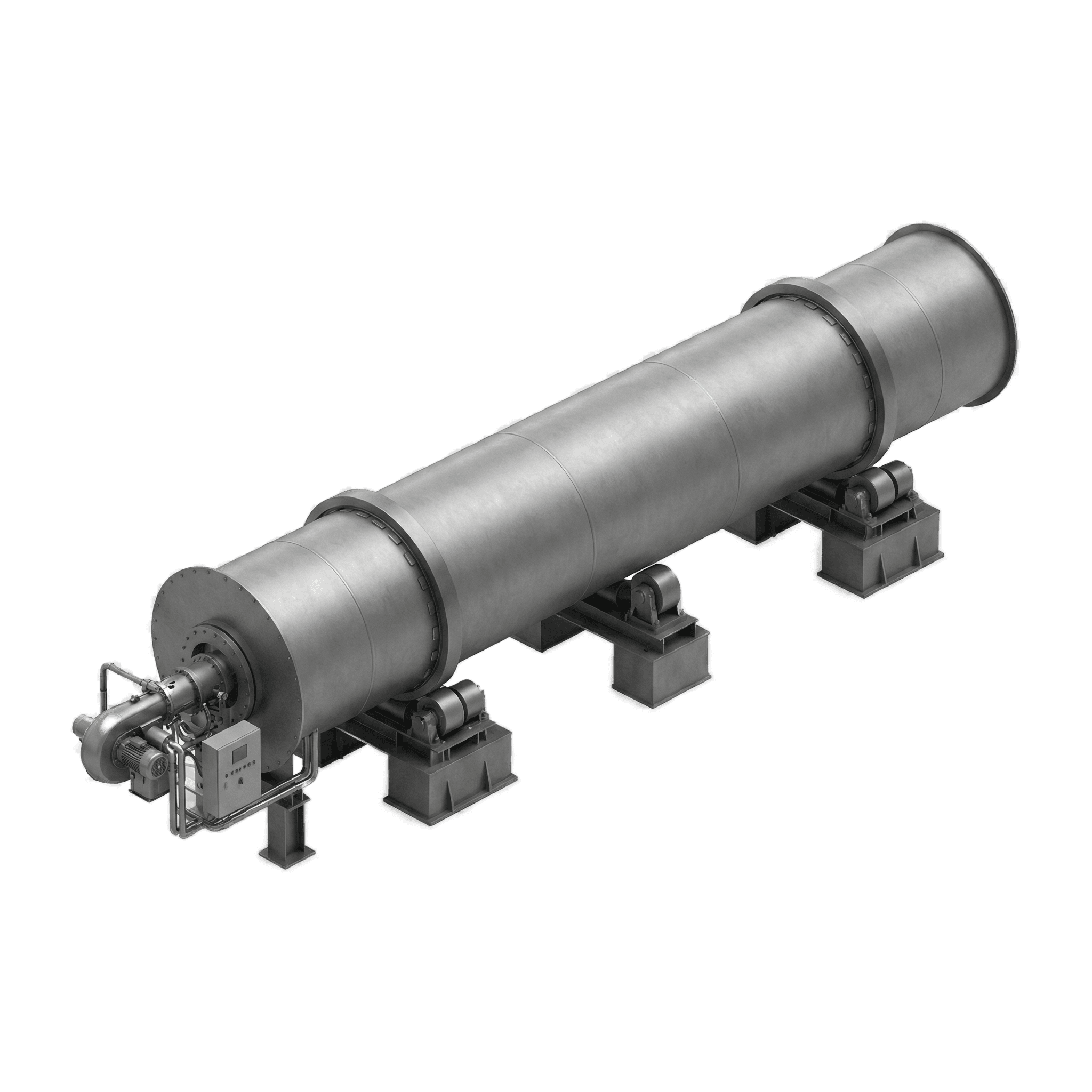
Kiln Support Rollers
Request QuoteOverview
The support roller assembly is a primary load-bearing element of the rotary kiln system. It carries the total kiln dead weight while enabling continuous, controlled rotation under high-temperature operating conditions.
Mechanical stability at the roller interface directly influences shell geometry, tyre wear rate, axial thrust behavior, seal performance, refractory life, and overall kiln efficiency.
Oswal Engineers designs and manufactures kiln support rollers engineered for precision load transmission and long-term structural reliability.
Functional Role in the Kiln System
Each support station transfers kiln load from the shell and tyre to the foundation through controlled surface contact. The roller must:
Improper roller design or geometry results in accelerated tyre wear, shell distortion, and alignment instability.
- Sustain high static and dynamic loads
- Maintain stable rotational support
- Minimize contact stress concentration
- Resist wear under continuous operation
Engineering Design Principles
Oswal support rollers are designed based on structural and contact stress analysis. Primary engineering objectives include:
Roller diameter, face width, and slope are optimized to match kiln diameter, weight distribution, and operating conditions.
- High load-bearing capacity
- Smooth rotational motion
- Reduced surface contact stress
- Controlled friction characteristics
Material & Metallurgical Integrity
Support rollers operate under:
Oswal rollers are manufactured using high-strength alloy steels selected for fatigue resistance, surface hardness stability, structural toughness, and wear resistance. Heat treatment processes ensure consistent hardness profiles across the roller face.
- High compressive forces
- Continuous rotational friction
- Elevated ambient temperatures
- Dust-laden environments
Surface Precision & Machining
Roller surface geometry directly affects load distribution. Precision machining ensures:
Strict dimensional tolerances are maintained to reduce vibration and uneven stress zones.
- Accurate cylindrical profile
- Controlled surface roughness
- Uniform contact pattern with tyre
- Concentric rotational balance
Load Distribution Control
Proper roller engineering ensures:
Load analysis is performed to ensure balanced reaction forces at each support station.
- Even load distribution across the contact area
- Reduced localized stress peaks
- Minimized shell ovality impact
- Lower risk of surface pitting
Bearing Assemblies
Roller performance is dependent on bearing reliability. Oswal bearing systems are optimized for:
Bearing housing design allows for proper lubrication, thermal expansion compensation, and structural rigidity. Reliable bearing assemblies reduce downtime and extend operational lifespan.
- High radial load capacity
- Temperature tolerance
- Dust protection
- Low maintenance requirements
Operational Advantages
Well-engineered support rollers deliver:
Controlled load transmission contributes directly to kiln mechanical equilibrium.
- Extended tyre and roller service life
- Reduced surface wear rate
- Lower axial drift tendency
- Improved kiln alignment stability
- Reduced maintenance frequency
- Enhanced operational continuity
Integration with Kiln Mechanical System
Support rollers function in coordination with:
Precision at the roller level ensures the entire mechanical system operates within defined stress limits.
- Kiln tyres (riding rings)
- Thrust rollers
- Shell alignment systems
- Sealing interfaces
Inspection & Quality Assurance
Each support roller undergoes:
Documentation ensures full traceability and lifecycle reference.
- Dimensional inspection
- Surface profile verification
- Concentricity testing
- Hardness evaluation
- Non-destructive testing (NDT)

Ready to Discuss Your Requirements?
Contact our engineering team for application-specific technical support.